bel & the dragon, an apocryphal text most likely authored during the persian exilic period, is a three part fictional story serving up ten commandments’ entertainment and propaganda. bel & the dragon’s context appears to be during the period around second temple judaism. this diaspora piece addresses the challenges of living in a foreign land under foreign gods; in doing so, it not only makes a mockery of idolatry but likely inspired present day take-out food delivery service.
bel & the dragon’s main character daniel, a jew who is a trusted member of king cyrus’ court. in the first part of bel, daniel works with the king to uncover the mystery of the god bel and its idol. in bel’s temple, food and beverage was delivered and allegedly was consumed by the god. daniel helps the king uncover that the temple priests and their families actually consumed bel’s food.
during this segment, daniel is asked by the kind as to why he does not worship bel. daniel answers “because i do not revere idols made with hands, but the living god, who created heaven and earth and has dominion over all creatures.” bel and the dragon, line 5. in that instant, to disprove bel as a deity, daniel placed his life on the line.
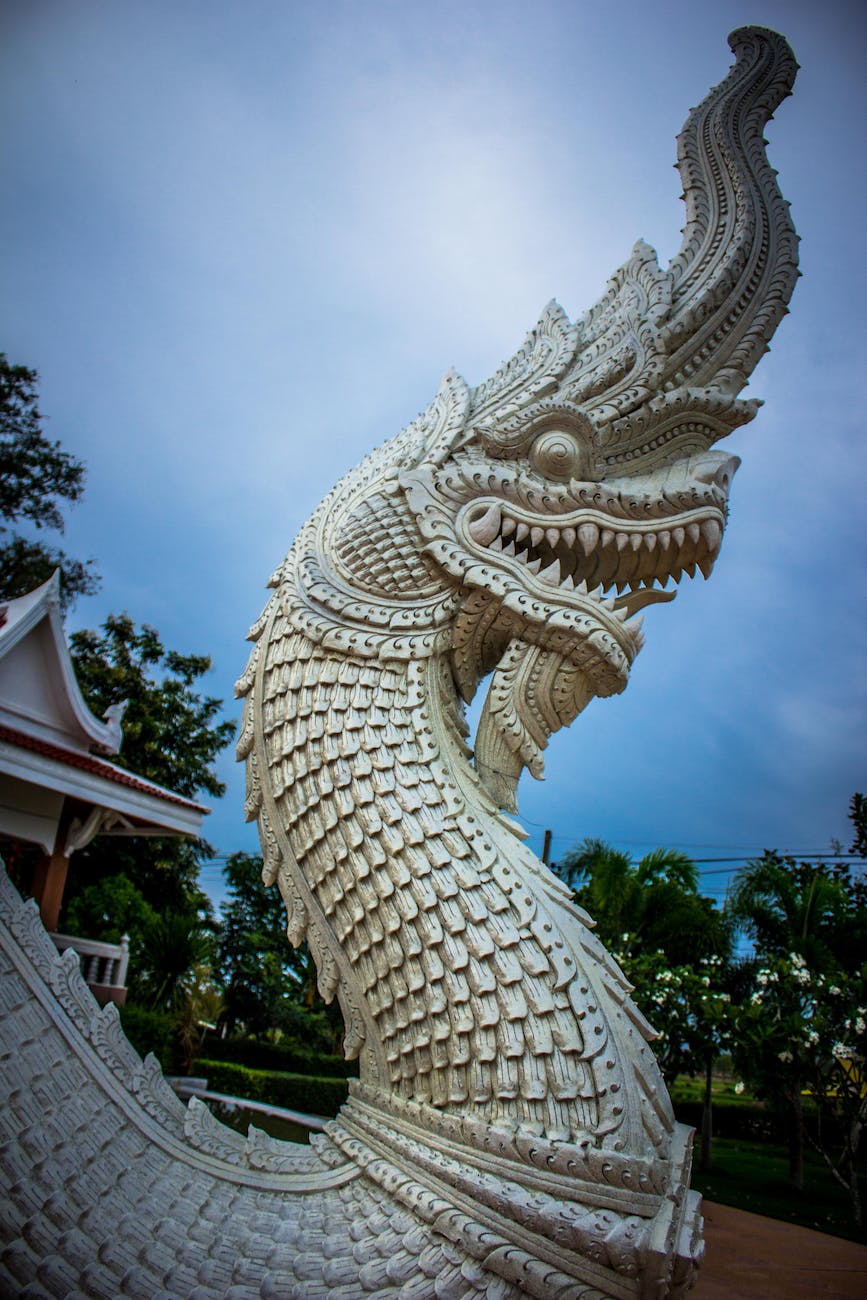
in the tale’s second segment, daniel takes on a “live” dragon god. (note: the term dragon, in translation, can be interpreted to be a serpent) daniel challenges the king and claims that he can destroy this dragon without a sword or a club. the challenge is accepted and daniel made cakes of pitch, fat and hair. after consuming them, the dragon burst open. with this result, daniel declares “see what you have been worshiping!” bel, line 27.
after this instance, the babylonians feared that their king was becoming a jew. in reaction to this, the king is pressured to place daniel in the lion’s den for six days. while there, the prophet habakkuk, who was residing in judea, is asked by an angel of god to travel to babylon and to deliver food to daniel. despite not knowing the directions to get there and g.p.s. not existing, “an angel of the lord took him by the crown of his head and carried him by his hair; with the speed of the wind he set him down in babylon, right over the den.” bel, line 36. the prophet shouted “daniel daniel! take the food that god has sent you.” habakkuk is returned to judea and the reader is left pondering whether daniel tipped the prophet.
daniel declares “you have remembered me o god, and have not foresaken those who love you.” bel, line 38.
on the seventh day, daniel is freed from the lion’s den. the king declares “you are great, o long, the god of daniel, and there is no other besides you. ” bel, line 41.
taken into perspective, bel & the dragon offers ten commandment’s entertainment. for those in diaspora, the tale promotes fidelity towards the god of the ten commandments. further, the tale’s brutal mockery was welcoming for those trying to keep the faith.
thus, this period and this piece reflect upon a time in which the jewish people were beginning to reside under the governance and laws of foreign powers. thus, there was a greater need to emphasize the commandments concerning the deity rather than versus those involving human relations.
be well!!
 The Ten Commandments Project