in some ancient circles, the apocryphal book of jubilees was popular. in qumran, the sect famous for the dead sea scrolls, fifteen copies of jubilees were found. the book of jubilees is believed to have been authored prior to the early first century bce. jewish annotated apocrypha. while excluded from the hebrew bible, the text offers valuable insight as to how the ten commandments were received; jubilees focused upon the sabbath commandment.
calendar controversy prevailed the time when the book was authored. there was much dispute over torah interpretation. jewish annotated apocrypha. while present day we take a uniform accepted calendar for granted, antiquity was filled with calendar controversy. dating impacted upon universal celebration of jewish festivals and holidays. the book of jubilees, at the time, was controversial as it advocated a 364 day calendar. those opposed followed a lunar calendar, 354 days. within jewish practice, those pushing the 364 day calendar lost. as such, with the universal acceptance of the 364/5 day calendar, jewish holidays float on different dates every year as they are still based on a 354 day calendar.
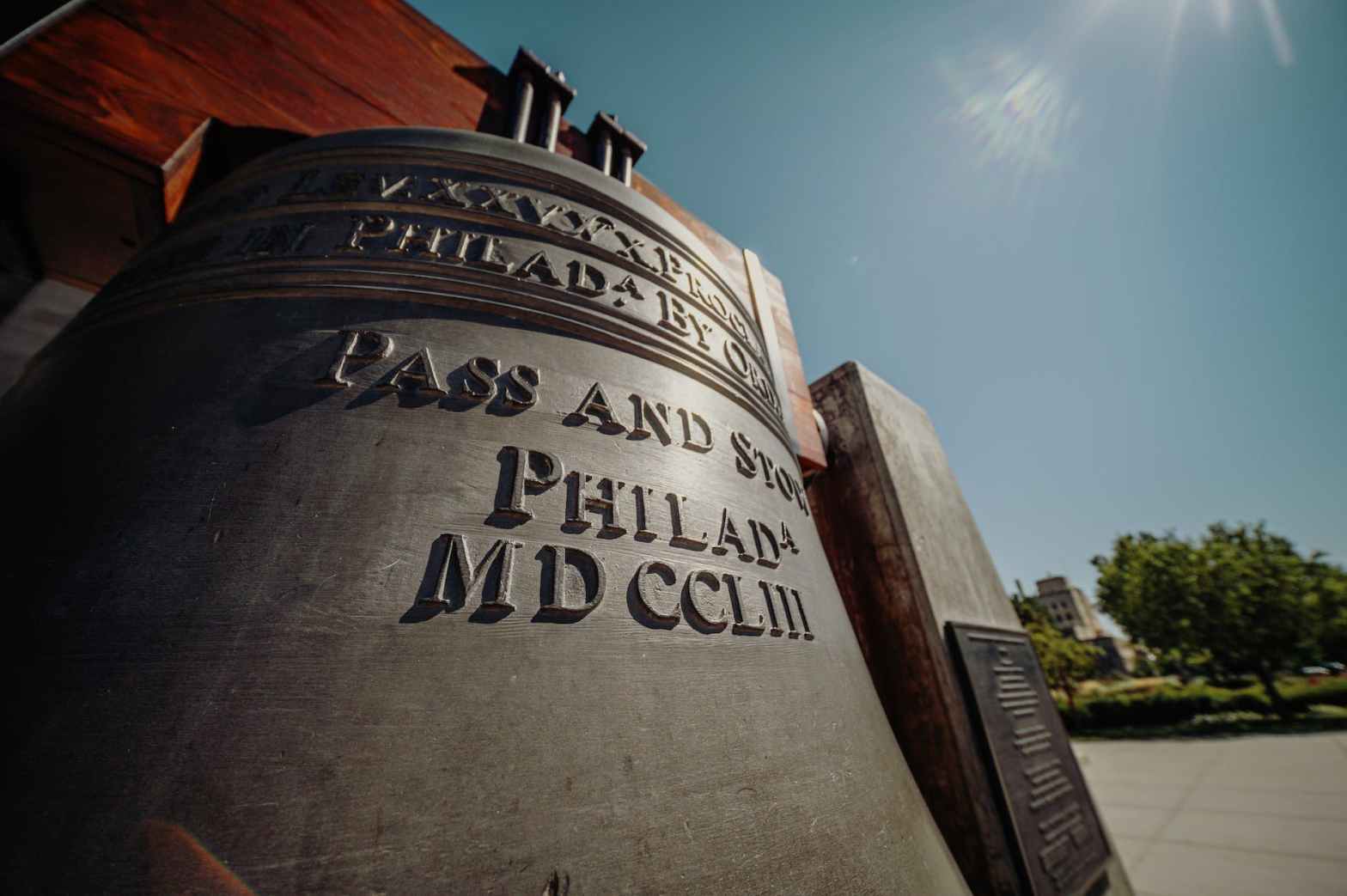
the torah-based concept of jubilees has inspired many through the millennia. leviticus 25:10’s words “proclaim liberty in the land, to all its inhabitants” are emblazoned on the united states’ liberty bell located in philadelphia the jubilee year was a consecration of the fifty year period in which the fiftieth year would be one when “each to his possession, and you shall go back, each to his family.” apparently, property would would revert to the original owners. with the laws concerning the jubilees, there was the imposition of a sabbath upon the land: “the land shall have a sabbath for the lord. six years you shall seed your field, and six years you shall prune your vineyard, , and you shall gather its produce. and in the seventh yeear the land shall have a sabbath.” leviticus 25:2-4.
the ten commandments are immediately acknowledged by the book of jubilee. jubilee’s prologue states that this “is the account of the division of times of the law and the testimony regarding the events of the years according to the weeks of their jubilees throughout all the years of eternity, as he conveyed it to moses on mount sinai when he went up to receive the stone tablets, the law, and the commandment, by the word of the lord…” further, chapter one states “the lord spoke to moses, saying ‘come to me on the mountain. i will give you two stone tablets of the law and the commandment.”
after this, most chapters dedicate themselves to recounting tales from the book of genesis. the book further continues with exodus up to the deliverance of the ten commandments. the book, in doing so, accounts to these events within a jubilee timing framework.
with respect to the ten commandments, the final chapter, fifty, addresses the sabbath commandments. the chapter recounts “i[the lord] told you on mount sinai about both the sabbaths of the land and the jubilee years in the sabbaths of years. but we have not told you about its year until the time you enter the land that you will possess. the land will keep its sabbaths while they live upon it. they shall know the jubilee year. ” it goes on to states that “the jubilees will occur until israel will be purified from all sexual transgression, impurity, pollution, sin and iniquity. they will live in all the land while being faithful. it will no longer have any satan or evil person. the land will be pure from that time until eternity.”
while the chapter goes on to discuss both the law of the sabbath as well as priestly activity on the day, it also adds: “this day among their days is a day of the holy kingdom for all israel forever.” further, it adds “for great is the honor that the lord has given israel to eat, drink, be satisfied, and rest during it from all work that people do.” near the conclusion, the chapter states “as it is written in the tablets which he put in my hands in order to write down for you the laws of the proper time: the proper time of each division of its days.”
thus, one can ascertain that the sabbath commandment, in those times, was connected to a greater concept. with the jubilees, the vision of a period of living in a state of eternal purity was promoted. thus, the sabbath was the gateway event leading to an idyllic state. thus, at that point in time, it was arguably believed that the words of the ten commandments possessed by mystical or prophetic value.
be well!!
please “like”, share and follow.
 The Ten Commandments Project