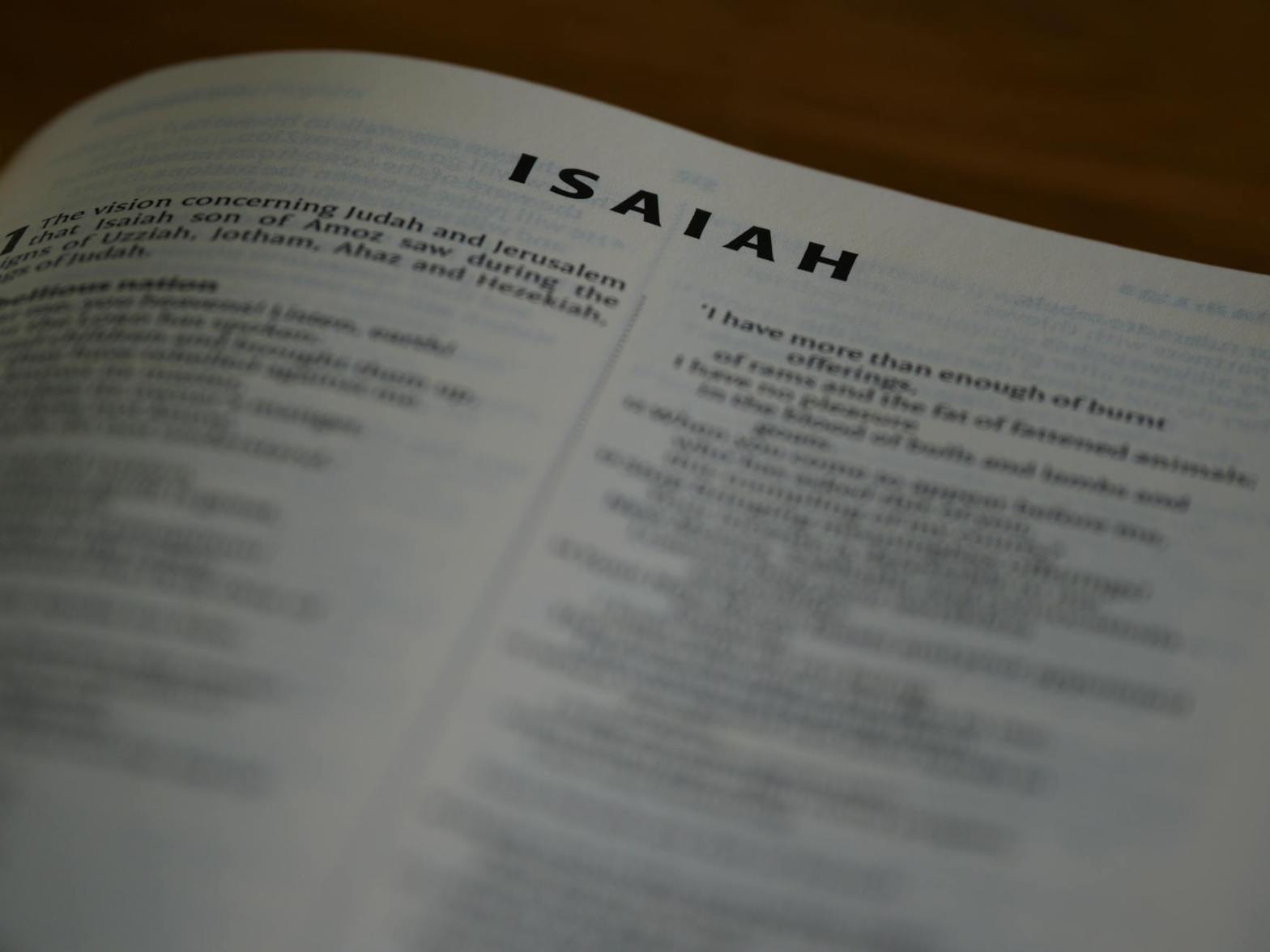
“Why do I need your numerous sacrifices?”
The Book of Isaiah 1:11
Beyond two tablets with laws set in stone, the Decalogue has external factors. The scheme establishes relationships: God-Human and Human-Human. The Torah provides two unique tracts of administering justice/morality. For God-Human relations, sacrifices were instituted. Some of these sacrifices, i.e. sin or guilt offerings, were devised as means of atonement. For Human-Human relations, additional laws within the Torah addressed remediation, compensation and penalty.
Within the Ten Commandments’ format, an individual’s moral standing required both relationships be addressed. Offenses such as theft affected both relationships. Thus, the Israelite God demanded not only acts of atonement directed towards the Deity via sacrifice, but also that the violation be addressed on a Human-Human level. In the grand scheme, God has an interest in all Human interactions; Humans had an interest in appeasing both God and those Humans affected by their harmful conduct.
With these concepts in mind, the Book of Isaiah’s Ten Commandments’ moment addresses why God called into question priestly sacrifices. Isaiah asserts: “Hear the word of Hashem, O chiefs of Sodom, give ear to the teaching of our God, O people of Gomorrah: Why do I need your numerous sacrifices? says Hashem, I am sated with deep elevation-offerings of rams and the fat of fatlings; the blood of bulls, sheep, and goats I do not desire. When you come to appear before Me, who sought this from your hand, to trample My courtyards? No longer should you bring a worthless meal-offering, it is smoke of abomination to Me. [As for] the New Moon and Sabbath, and your calling of convocations, I cannot abide mendacity with solemn assembly. My soul detests your New Moons and your appointed times; they have become a burden upon Me, I am weary of bearing [them]. When you spread your hands [in prayer], I will hide my eyes from you; even if you were to intensify your prayer, I will not listen; your hands are filled with blood. Wash yourselves, purify yourselves, remove the evil of your deeds before My eyes; cease doing evil. Learn to do good, seek justice, vindicate the victim, render justice to the orphan, take up the grievance of the widow.” Isaiah 1:10:17.
This declaration expresses concern over a perceived societal imbalance. Was this an accounting of the comings and goings of those with wealth and power? Was there a clear deterioration of Human-Human obligations occurring? Where the upper class relying solely on sacrifices to maintain their moral standing?
The Prophet, addressing this leaning upon sacrifices, expressed the Lord’s disdain. The Master was not in the business of atoning those who abandoned the application of justice within society.
Isaiah’s declaration goes beyond the Ten Commandments. While the Decalogue provides an afffirmative duties concerning honoring parents and ensuring Sabbath Rest to one’s laborers, Isaiah’s voice extends to community matters. In essense, the outrage expressed was to when the state of morality was misaligned. Beyond one’s doings and not doings, an affirmative role was needed to address those in need. Thus, it is not surprising that a passage from Isaiah is read on Yom Kippur, the day of atonement.
Those In Need
Isaiah’s passage artfully addresses those in need. Rather than stereotype individuals, his examples, with specificity, attach to people actually in need of charity. In the passage, he speaks of individuals that we would assume are in need- victims, widows and orphans. The passage, however, strikes to the matter of need. Widow’s grievances, vvictim’s vindication or orphan’s justice are to be taken up. Being a widow, orphan or victim is not enough. For example, there is the classic joke of the man who murdered his parents and asked for mercy from the court because he was an orphan.
In sum, this passage from Isaiah reveals that the Ten Commandments was not perceived by the Prophets as a stand-alone item. The Torah’s dictates addressing social needs beyond the Decalogue’s purview. Further, this passage is a stepping stone for the notion that there is a moral code within society as much as there is a legal code. Thus, individuals have an expectation to address both societal and deity related manners in a simultaneous fashion. Observance towards both tracts is necessary to make one an upstanding person.
Discussion Questions: In a secular society, how does religion play in terms of an individual’s conduct? In a secular society, do people perform acts, such as sacrifices, to avoid moral responsibility?
Be well!!
Please like, follow, share or comment.
 The Ten Commandments Project