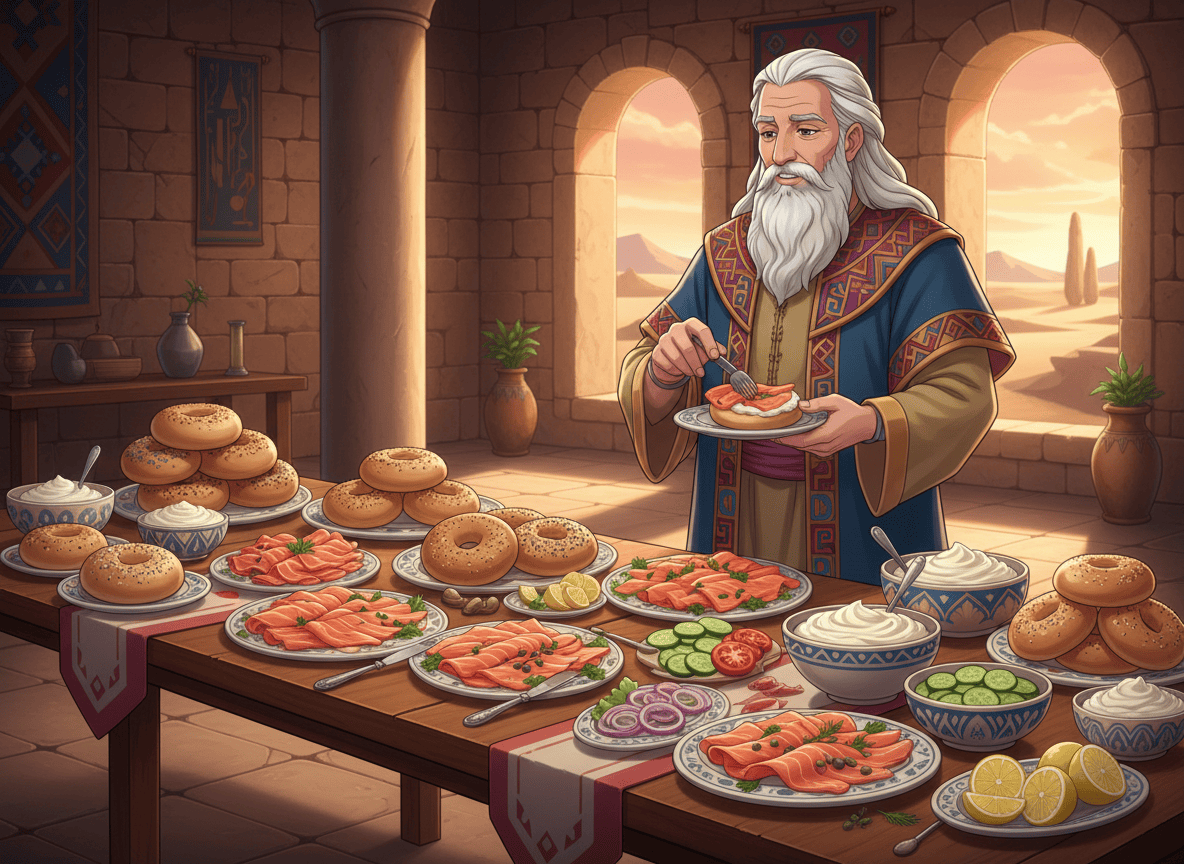
I saw the sign and it opened up my eyes I saw the sign Ace of Base In that moment, I didn’t see the sign. I didn’t want to. It was one of the greatest moments of my life and I couldn’t watch. Not only did I have the best seat in the house, IContinue reading “Lech Lecha: Back to the Basics: Signs: The Ten Commandments’ Moment”
Tag Archives: torah
Bereshit: The Origin of Evil?

Does the Torah Portion Bereshit explain evil’s origin? The creation narrative certainly offers clues. The results, for some, may be surprising. In the Beginning There Were Grades In Genesis Chapter 1, God grades his creations. Land and sea: good. Genesis 1:10. Plants and vegetation: good: Genesis 1:12. Night and day: good: Genesis 1:18. Sea animals,Continue reading “Bereshit: The Origin of Evil?”
V’zot Haberachah’s Ten Commandments’ Moment
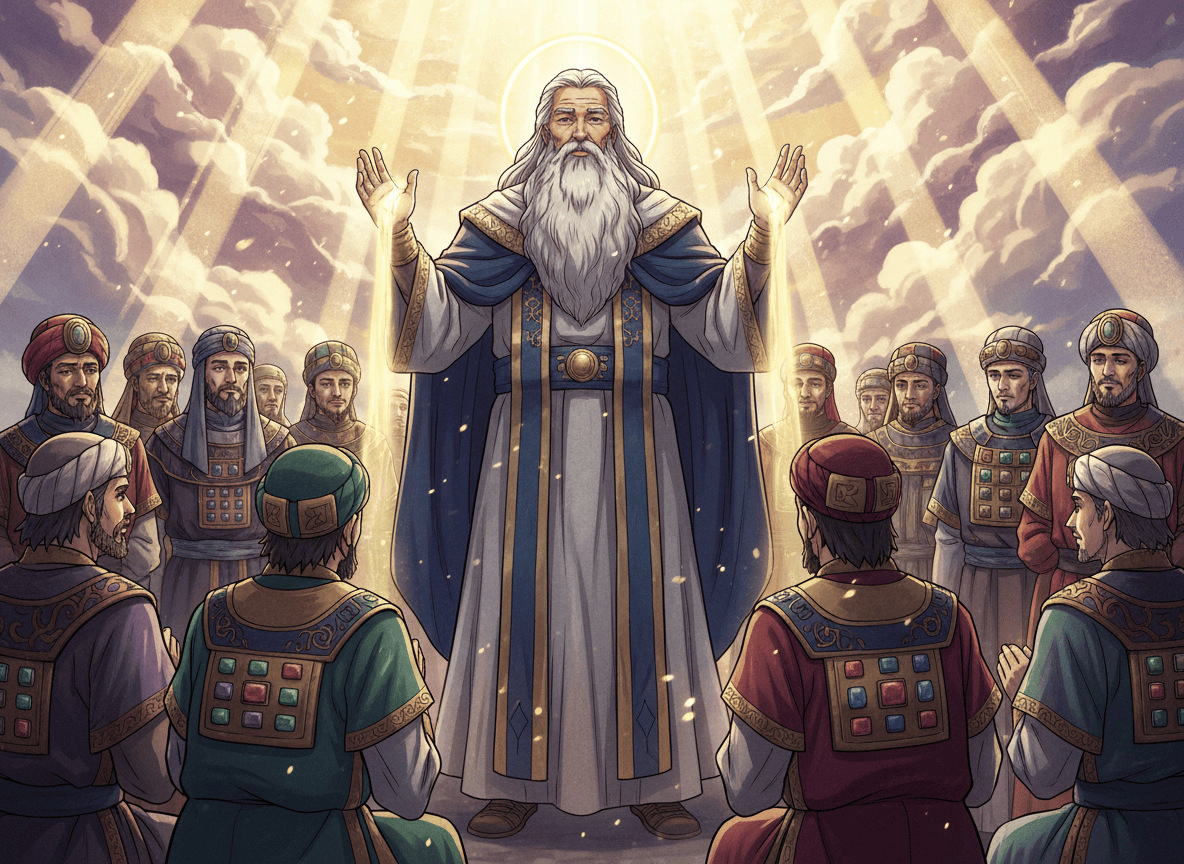
Before the Torah’s finale, Moses charged parents to educate their children. In the Torah’s final portion, V’zot Haberachah, Moses charges the Levites to educate the Israelite nation. In Moses’ blessing to the tribe, he assigns them a special assignment. Forever more, the Levites were tasked to provide covenantal education to the nation. This tasking raisesContinue reading “V’zot Haberachah’s Ten Commandments’ Moment”
Well, Well, Well: A Rosh Hashanah Tale
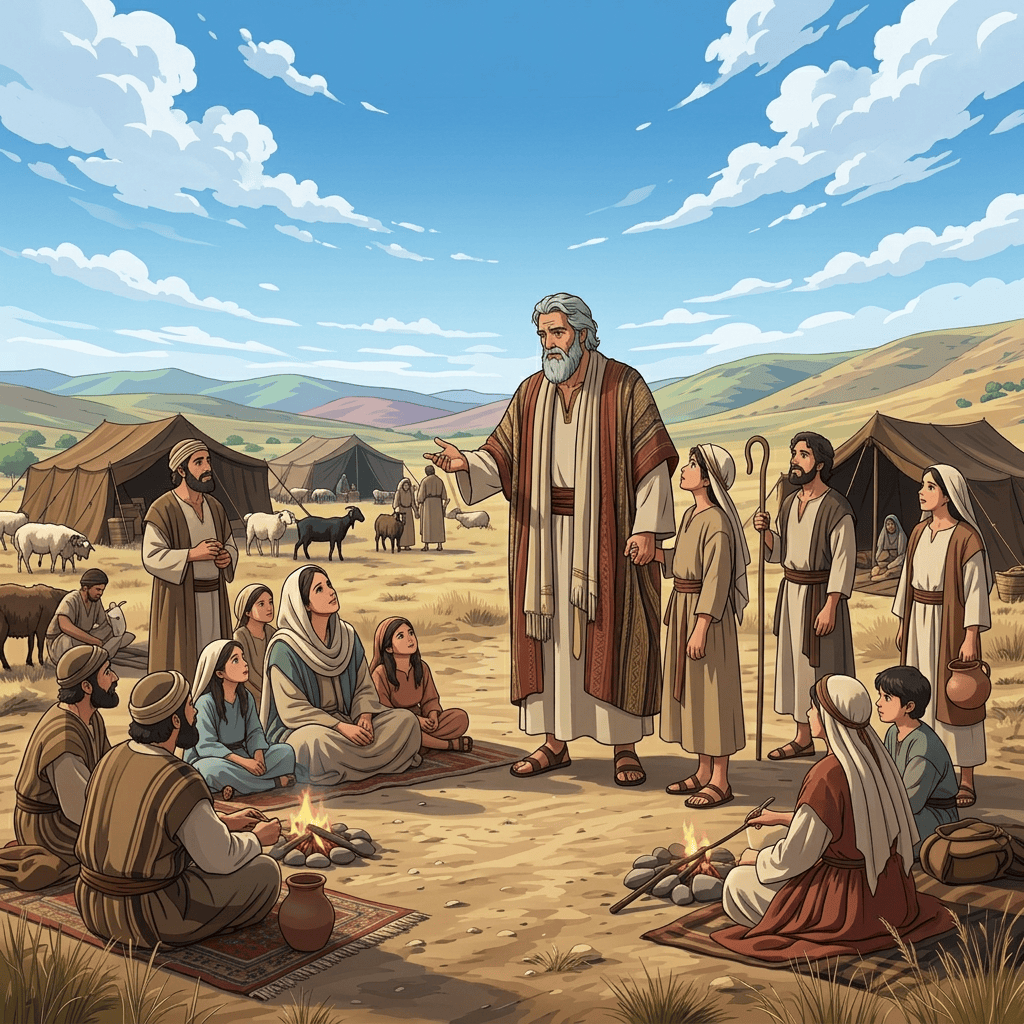
During the holiday season, sometimes we have to be the “bigger” person. Being largesse is often necessary during the High Holiday season. Rosh Hashanah- the New Year- and Yom Kippur- the Day of Atonement- often come with close encounters of the uncomfortable kind. This especially happens on neutral grounds; synagogues and places of worship. Frankly,Continue reading “Well, Well, Well: A Rosh Hashanah Tale”
Forbidden Fruit? Ki Tavo

Deuteronomy’s Garden of Eden connection is undeniable. The Torah’s beginning and ending theologically converge in Ki Tavo’s fruit-filled moment. A particular Ki Tavo commandment addresses an ultimate Torah issue. It brings a greater understanding of God’s role with humanity. In the end, Ki Tavo breathes new understanding into the Tree of Knowledge of Good andContinue reading “Forbidden Fruit? Ki Tavo”
The Bigger Picture: Ki Teitzei

What is the Torah’s Big Picture? The answer can be achieved by making sense of a one particular perplexing commandment from the Torah Portion Ki Teitzei. Before doing so, one must understand that the Pentateuch, some opine, was intended to be a nation’s law. To accomplish this goal, the Torah is crafted with commandments thatContinue reading “The Bigger Picture: Ki Teitzei”
Thou Shalt Not Procrastinate? Ki Teitzei

Is procrastination a commandment violation? The Torah Portion Ki Teizei addresses this put-off subject tied to the Decalogue. In a passage exploring the significance of the passage of time, the Ten Commandments becomes relevant. Beyond excoriating the usual suspects- all of us who delay fulfilling commitments, the Torah implores people to do one of theContinue reading “Thou Shalt Not Procrastinate? Ki Teitzei”
Re-eh: The Realities of Reality

Brother, can you spare a dime? Bing Crosby Truth, justice and righteousness are the cries of the Hebrew Bible Prophets. Jeremiah 4:2. Committing a righteous act, sometimes, isn’t easy. This is particularly the case when it comes to a troubling Torah Portion Re-eh Commandment concerning indigency. Addressing an indigent’s needs proves quite problematic with theContinue reading “Re-eh: The Realities of Reality”
A Biblical Literacy Moment: Deuteronomy 8:3

The phrase Man does not live on bread alone is not only a classic, it’s biblical. The line is part of a theologically deep passage that was so significant that it was even referenced in later scripture. Additionally, the well-crafted English translation has taken a life of its own. It connotes a different meaning withinContinue reading “A Biblical Literacy Moment: Deuteronomy 8:3”
The Introduction to The Ten Commandments: Va’etchanan
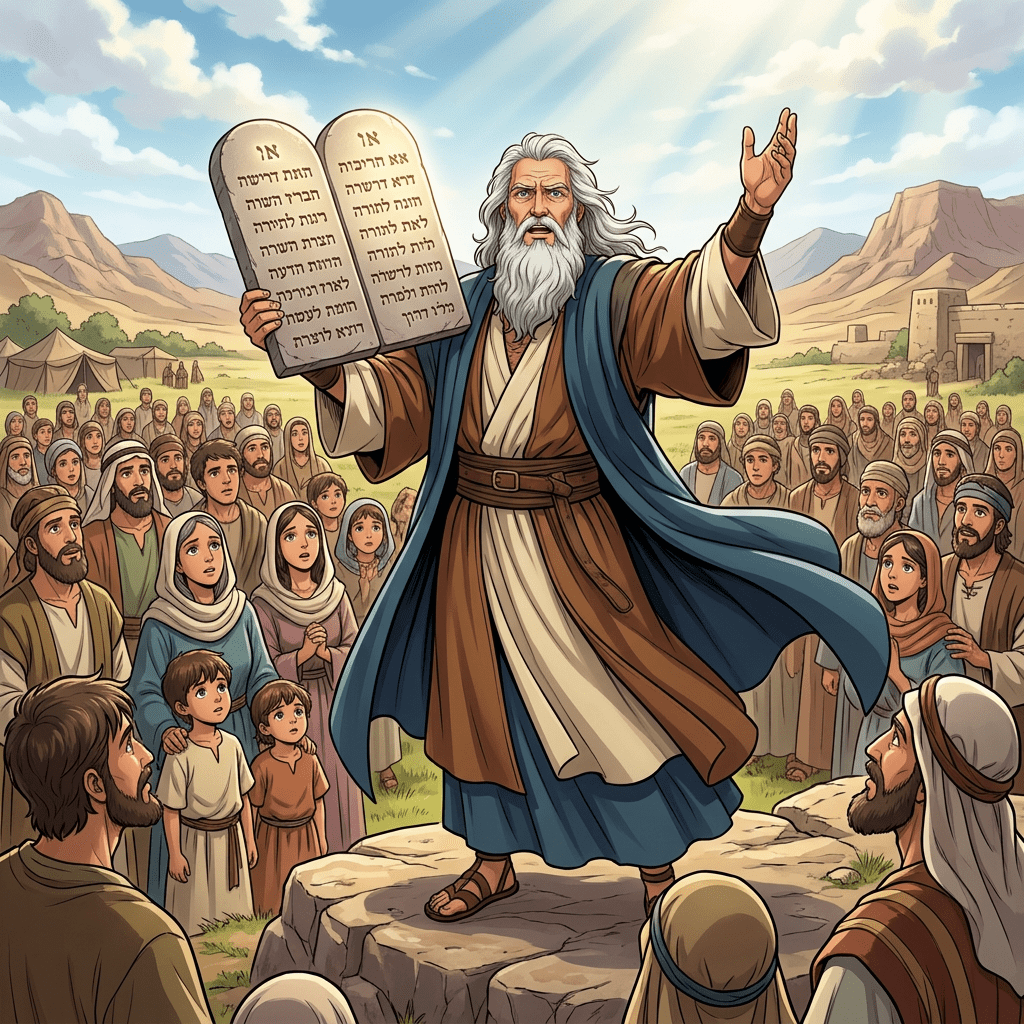
Lawmakers often provide a write-up when enacting a new law. These introductions can include anything from a legislative history to an explanation of the bill’s intent. In the Torah Portion Va’etchanan, Moses introduces the Ten Commandments to all of Israel. In doing so, he imparts essential information for grasping the biblical understanding of the Decalogue.Continue reading “The Introduction to The Ten Commandments: Va’etchanan”

