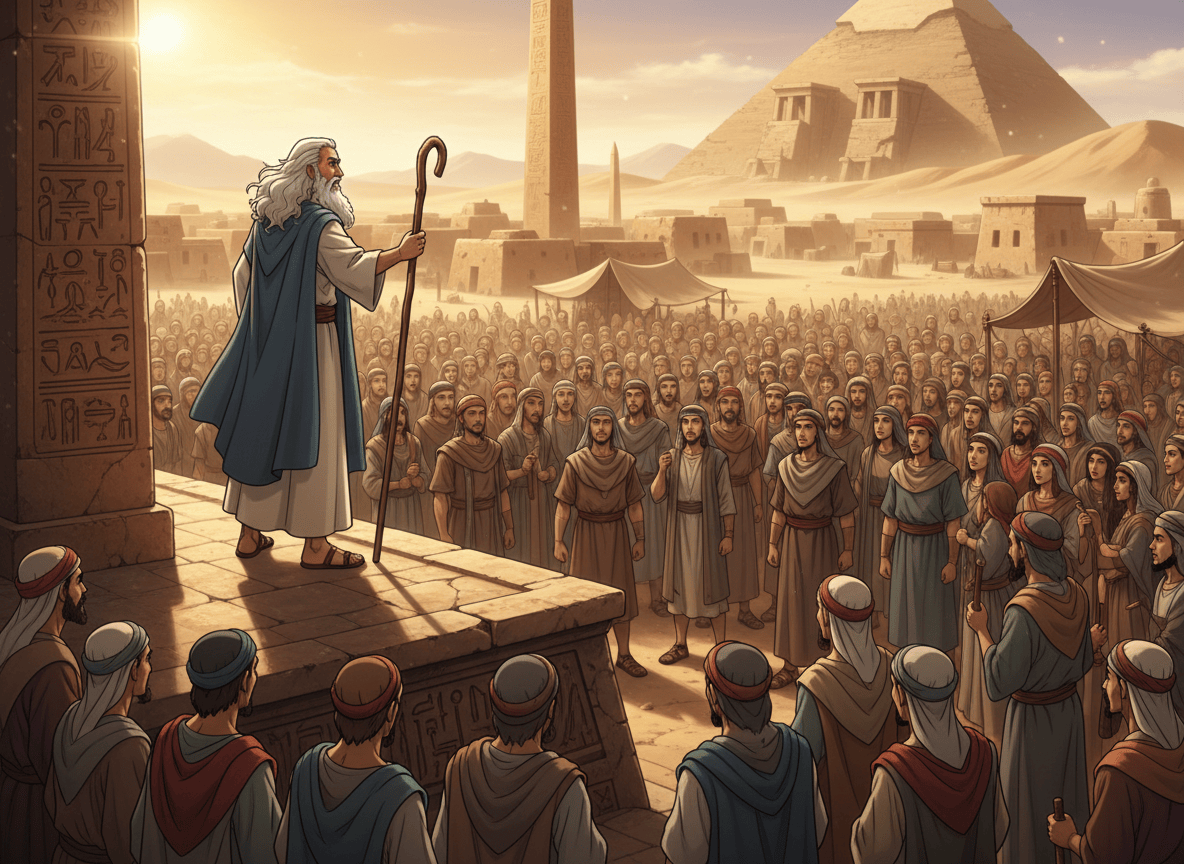
The Torah’s eternal wisdom comes from its structure. Spanning from the world’s creation to the formation of a nation, the Pentateuch’s narrative captures almost every possible relationship and the difficulties arising from them. In the Torah Portion Va’era, the leader-nation relationship is brought to the forefront. In the beginning of executing God’s plan to freeContinue reading “An Eternal Leadership Lesson: Va’era”
Tag Archives: moses
Back To Basics: Shemot: The Name
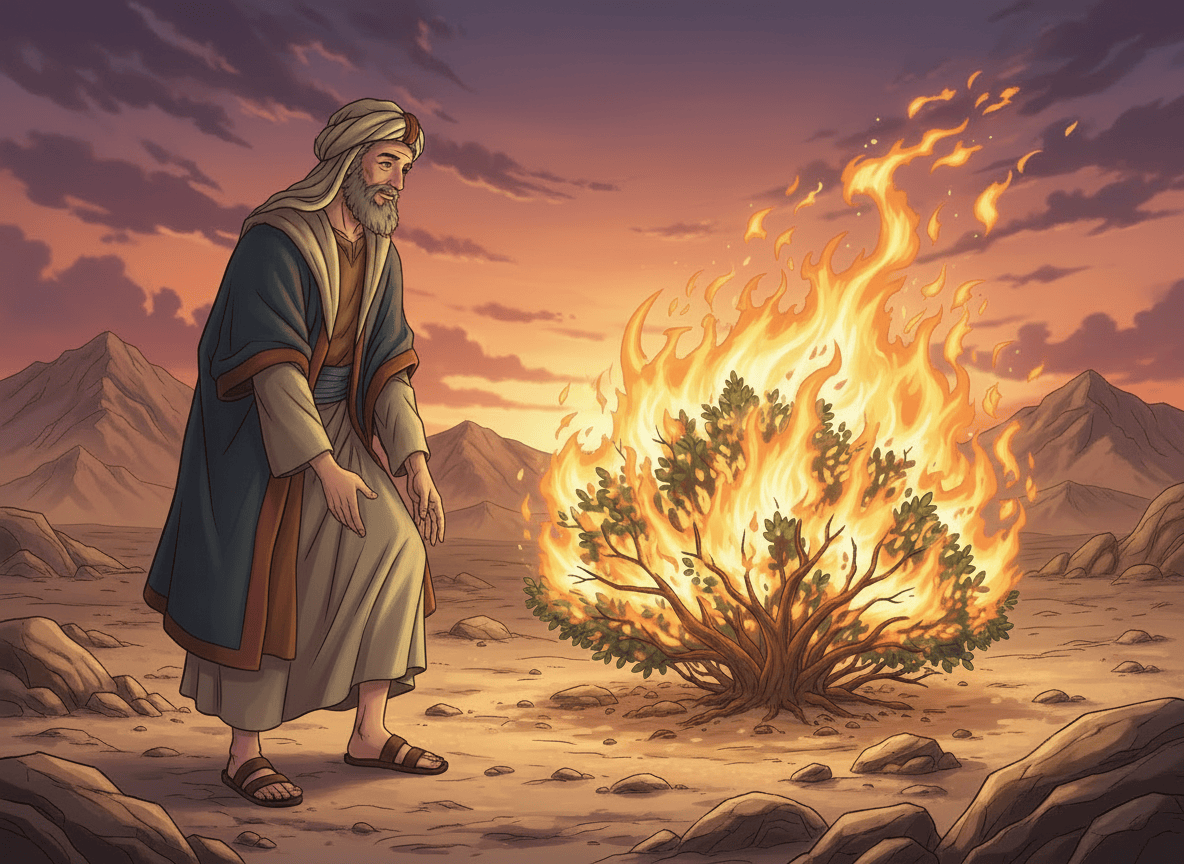
Moses’ Burning Bush theophany- as reported in the Torah Portion Shemot- is a transcendental moment narratively, theologically, and academically. Not only does this narrative supply the Children of Israel’s Egyptian Bondage story’s arc, it also reveals God’s eternal name. This particular name has both theological and academic importance. One theological significance for the eternal nameContinue reading “Back To Basics: Shemot: The Name”
A Great Ego Happened There? A Chanukah Tale
Did a priestly rivalry rear itself in the telling of the Chanukah story? Per academics, the Aaronids (Aaron’s descendants) and the Mushites (Moses’ descendants) jockeyed for priestly positions in scripture within Israelite tribes and monarchies. Scholars have gone so far to opine that their power struggle manifested itself within the Hebrew Bible stories. This particularContinue reading “A Great Ego Happened There? A Chanukah Tale”
Ha’Azinu’s Ten Commandments’ Moment

These go to eleven Nigel Tufnel Moses, in the Ha’Azinu Torah Portion, lectures to the Children of Israel their covenantal responsibilities. In his speech, Moses raises parental responsibilities of the requirement to teach their progeny the commandments. While the Decalogue served as a Community Code of Conduct, the Commandments did not fully lay out theContinue reading “Ha’Azinu’s Ten Commandments’ Moment”
Letting Go: Vayelech
Like Moses, parents know. Their best efforts in instilling values often become futile. Both rebellion and peer pressure eradicate their influence. In the end, parents are left wondering whether they made a difference? Did their Jeanie leave the bottle altogether or is there some redemption in store down the road? In the Torah Portion Vayelech,Continue reading “Letting Go: Vayelech”
In Abstentia: Nitzavim

We were all at Mt. Sinai To fully understand the Ten Commandments, one must not only explore the law, but also the spirituality attached to it. Legally, the Decalogue presents as a contract; a covenant. With contracts, there are parties. The Ten Commandments’ two parties are God and the Children of Israel. These two areContinue reading “In Abstentia: Nitzavim”
A Biblical Literacy Moment: The Prophet Defined
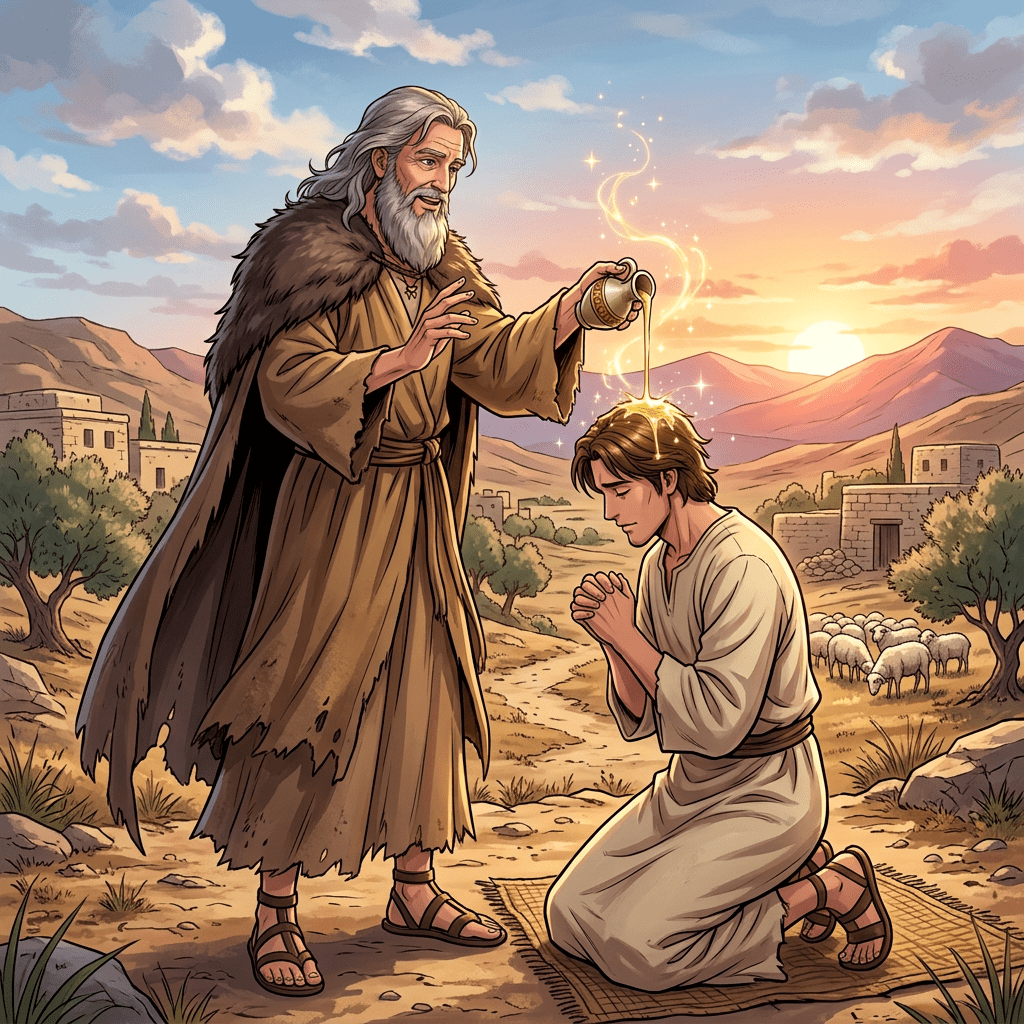
The prophet’s role is revealed in the Torah Portion Shoftim. Moses evokes Mt. Sinai’s fireworks and the Ten Commandments to explain one of the prophet’s essential duties. With this, Moses also introduces a qualifying requirement for the position. To appreciate Moses’ retelling of what transpired at Mt. Sinai, a reading of Exodus’ contemporaneous account isContinue reading “A Biblical Literacy Moment: The Prophet Defined”
Who Is He? Definitions: Eikev: A Ten Commandments’ Moment

The Ten Commandments, being a contract, identifies the parties. In the Decalogue, “I am the Lord, your God” is the party of the first part, and the party of the second part are the individuals he brought out from the Land of Egypt. Exodus 20:2 Give this limited description of the part of the firstContinue reading “Who Is He? Definitions: Eikev: A Ten Commandments’ Moment”
The Introduction to The Ten Commandments: Va’etchanan
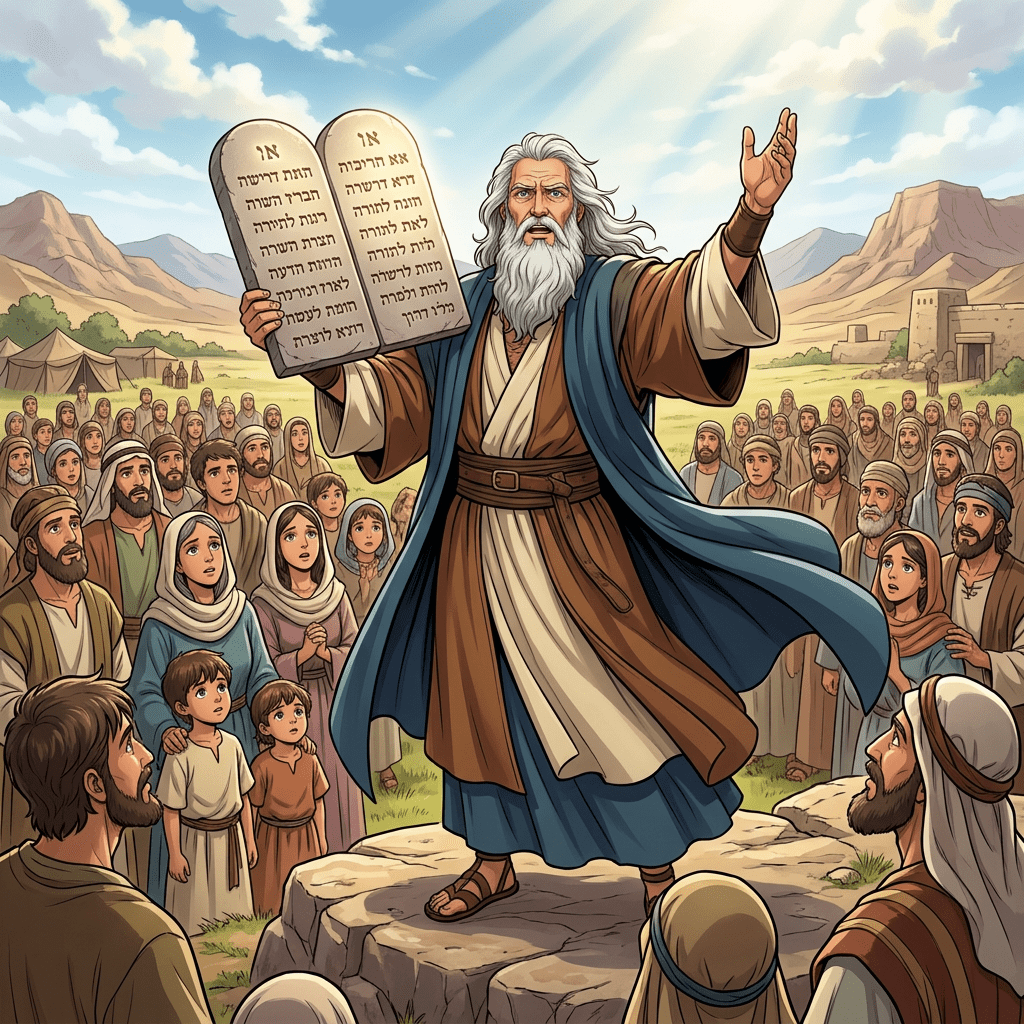
Lawmakers often provide a write-up when enacting a new law. These introductions can include anything from a legislative history to an explanation of the bill’s intent. In the Torah Portion Va’etchanan, Moses introduces the Ten Commandments to all of Israel. In doing so, he imparts essential information for grasping the biblical understanding of the Decalogue.Continue reading “The Introduction to The Ten Commandments: Va’etchanan”
Second Law, Second Audience: D’varim

The Book of Deuteronomy begins with the Torah Portion D’varim. In D’varim, Moses begins his final speech on the other side of the Jordan River to all of Israel. Deuteronomy 1:1. The Book of Deuteronomy stands out from the rest of the Pentateuch. Scholars and theologians focus often address Deuteronomy’s significance as either second lawContinue reading “Second Law, Second Audience: D’varim”

