
The Torah Portion Vayeishev is a top ten portion as far as the Ten Commandments. Not only is it entertaining as it includes the story of Joseph and his Amazing Technicolor Dreamcoat, it is a Decalogue conversation piece. It breathes life into their commandments and the role they play in everyday life. oseph’s wonderful narrativeContinue reading “A Top Ten Torah Portion: Vayeishev”
Tag Archives: god
Darmok and Jalad at Tenagra: Vayishlach’s Biblical Literacy Moment

For Star Trek TNG fans, the phrase “Darmok and Jalad at Tenagra” is meaningful. To them, it rekindles their memory of a television episode that explored language and communication. In it, the Enterprise crew encountered an alien species- the Tamarians- for which their universal translator did not work. The problem was that the Tamarians’ languageContinue reading “Darmok and Jalad at Tenagra: Vayishlach’s Biblical Literacy Moment”
Back to Basics: Vayetze’s Ten Commandments’ Moment

A Torah Portion Vayetze passage ignites a literary journey that leads to one of the primary aspects of both divine relationships and covenants. In Vayetze, while Jacob is fleeing to Harran to avoid his brother Esau’s wrath, he experiences a life-changing dream. This transformative event —upon review —surprisingly shares similarities to the Exodus. Some ofContinue reading “Back to Basics: Vayetze’s Ten Commandments’ Moment”
Lech Lecha: Back to the Basics: Signs: The Ten Commandments’ Moment
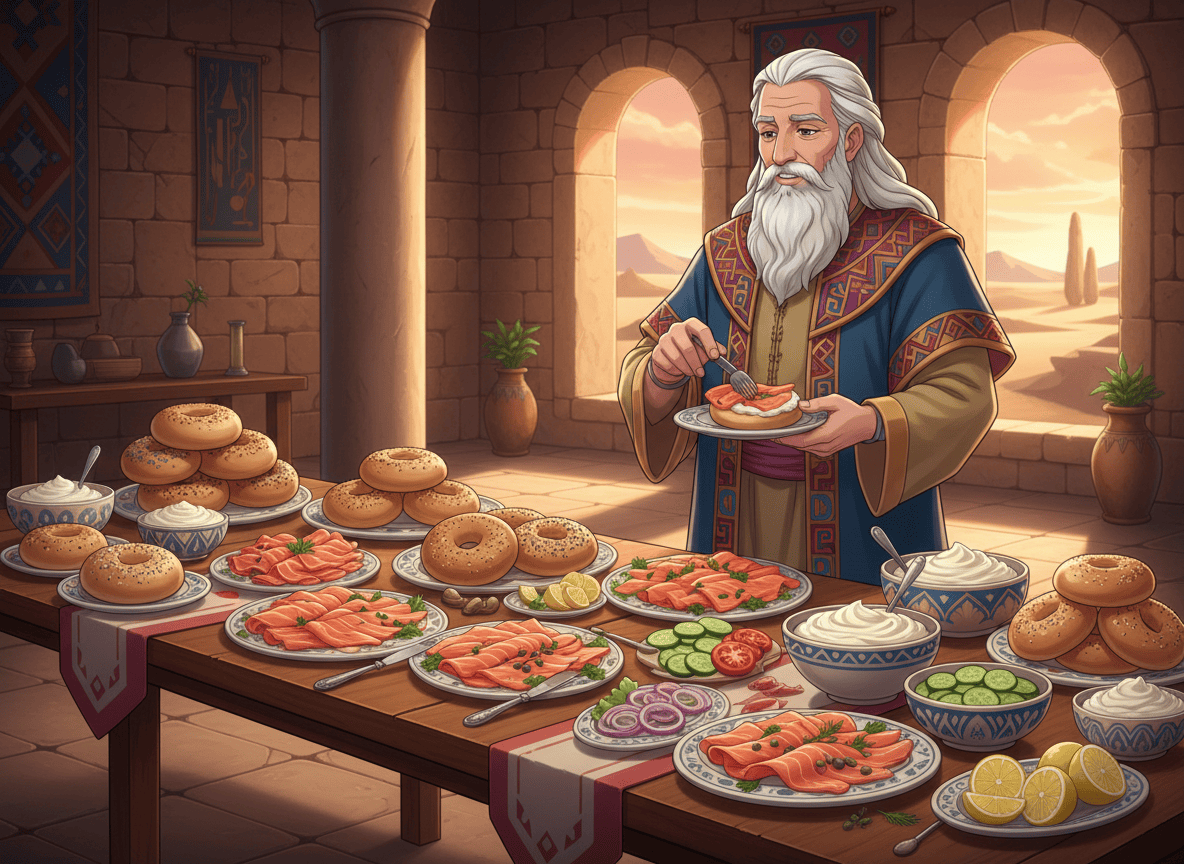
I saw the sign and it opened up my eyes I saw the sign Ace of Base In that moment, I didn’t see the sign. I didn’t want to. It was one of the greatest moments of my life and I couldn’t watch. Not only did I have the best seat in the house, IContinue reading “Lech Lecha: Back to the Basics: Signs: The Ten Commandments’ Moment”
Back To Basics: Noah’s Ten Commandments’ Moment
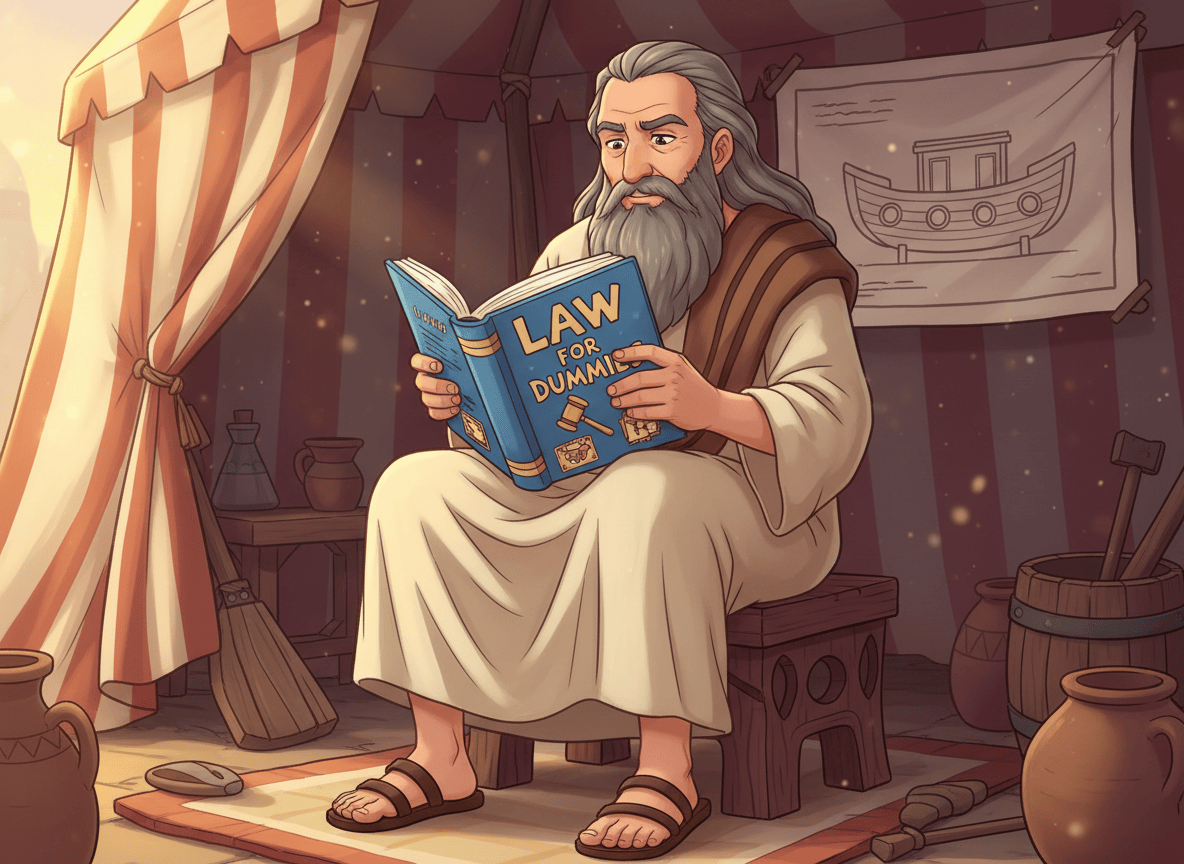
The Torah Portion Noah provides unique insights into the Decalogue. Unlike the Ten Commandments’ “thou shalt not murder,” the Portion Noah’s homicide prohibition statute is complete. The restricted activity, the punishment, and the rationale are all present. Given that the Portion Noah’s statute evokes God’s image within its reasoning, theological questions arise. Thus, the NoahContinue reading “Back To Basics: Noah’s Ten Commandments’ Moment”
The Bereshit Haftarah’s Ten Commandments’ Moment

A Haftarah is part of the Torah Reading Service. The Haftarah reading- a supplemental reading from non-Torah scripture- is a passage selected because it relates to the Torah Portion that is read. One theory advanced as to why there are Haftarah readings is that they began at a time when public Torah reading was forbidden;Continue reading “The Bereshit Haftarah’s Ten Commandments’ Moment”
Next Level Common Knowledge: Sukkoth
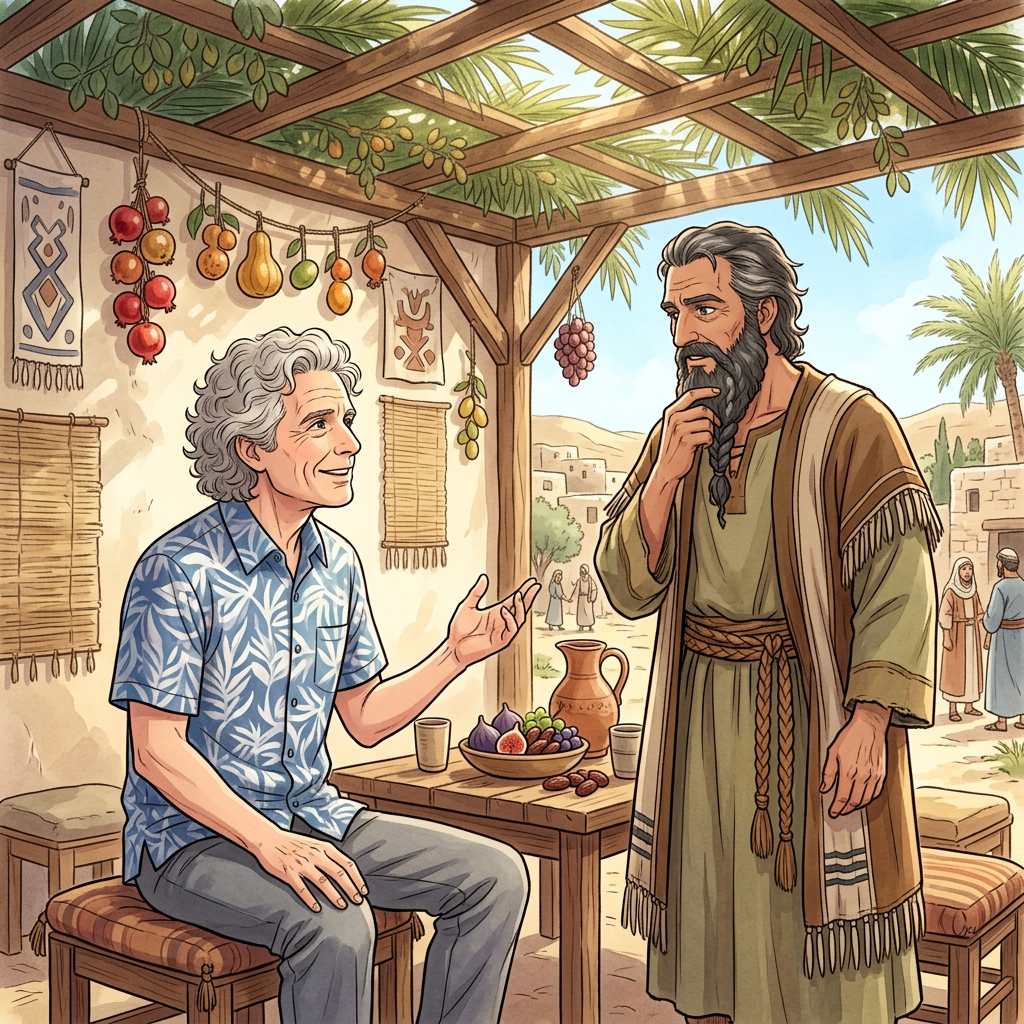
Steven Pinker examines Common Knowledge in his work: When Everyone Knows That Everyone Knows…: Common Knowledge and the Mysteries of Money, Power, and Everyday Life (2025, Scribner.) Dr. Pinker’s Common Knowledge is a term meant to describe human interactions and the knowledge of the individuals interacting. The Sukkoth Holiday- the Festival of Booths- Torah PortionContinue reading “Next Level Common Knowledge: Sukkoth”
Bereshit: The Origin of Evil?

Does the Torah Portion Bereshit explain evil’s origin? The creation narrative certainly offers clues. The results, for some, may be surprising. In the Beginning There Were Grades In Genesis Chapter 1, God grades his creations. Land and sea: good. Genesis 1:10. Plants and vegetation: good: Genesis 1:12. Night and day: good: Genesis 1:18. Sea animals,Continue reading “Bereshit: The Origin of Evil?”
V’zot Haberachah’s Ten Commandments’ Moment
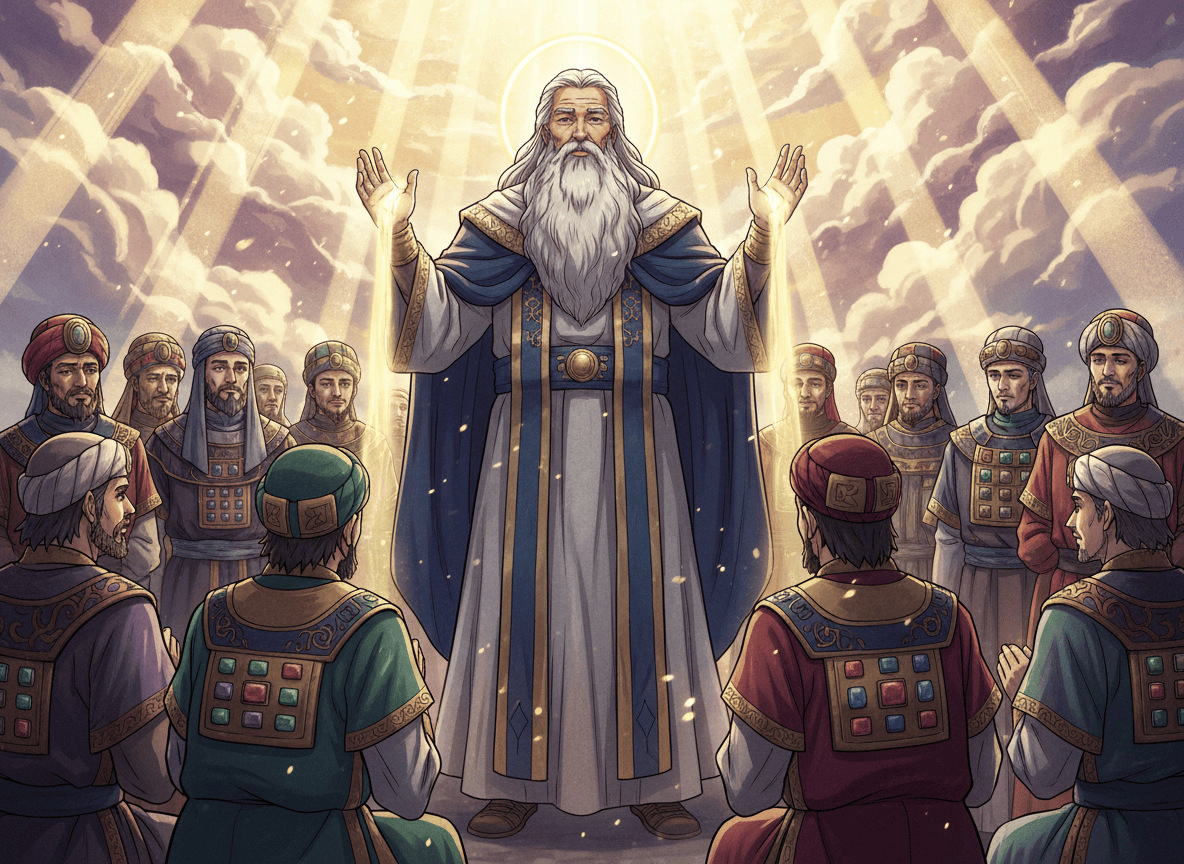
Before the Torah’s finale, Moses charged parents to educate their children. In the Torah’s final portion, V’zot Haberachah, Moses charges the Levites to educate the Israelite nation. In Moses’ blessing to the tribe, he assigns them a special assignment. Forever more, the Levites were tasked to provide covenantal education to the nation. This tasking raisesContinue reading “V’zot Haberachah’s Ten Commandments’ Moment”
Institutionalized Randomness: The Goat, A Yom Kippur Thought
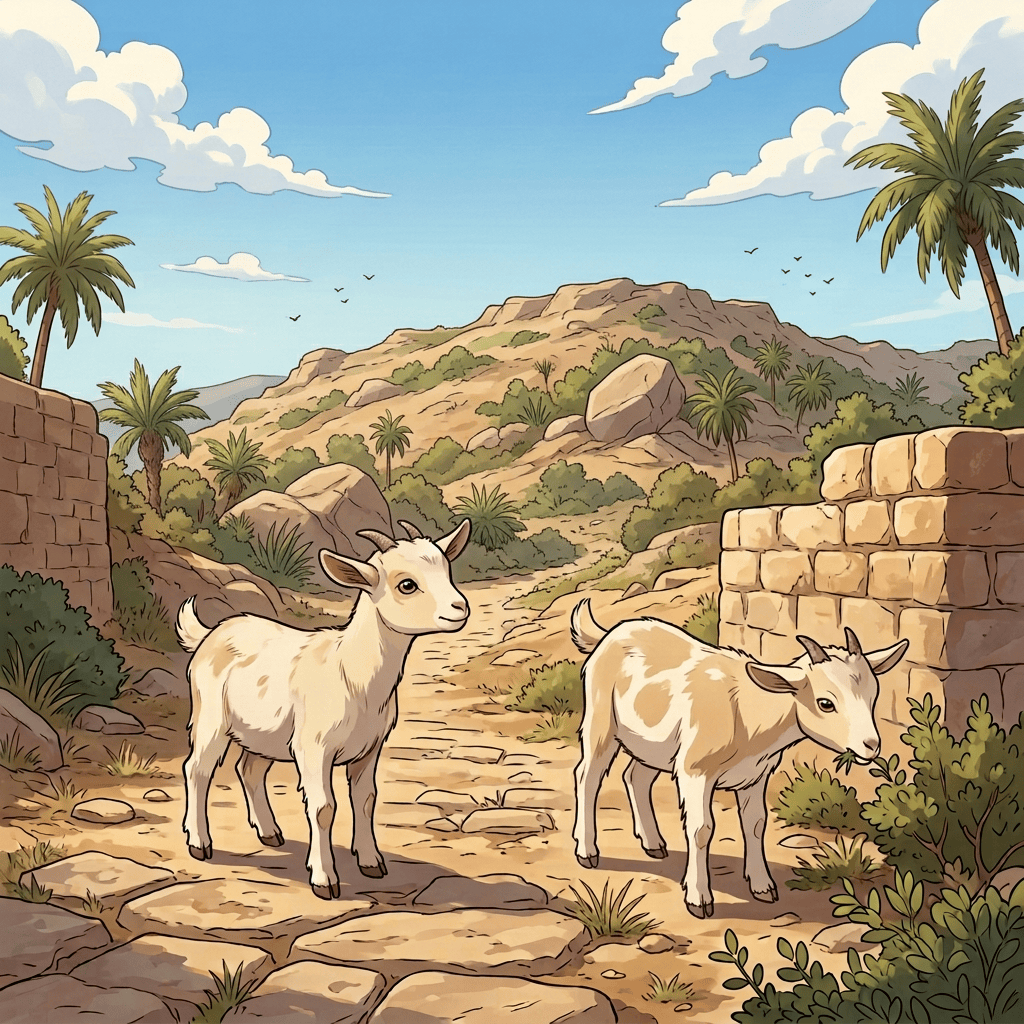
Who will live, and Who will die Yom Kippur’s Torah Portion is the goat on randomness. What should we take away from the universe filled with uncertainty? Yom Kippur- the Day of Atonement- is a moment in which life’s uncertainty is brought to the forefront. It is done with the reading of one of theContinue reading “Institutionalized Randomness: The Goat, A Yom Kippur Thought”

