As a practicing lawyer for over 33 years, I have spent decades litigating newly enacted legislation. No matter how well-crafted or conceived, laws always contain ambiguity. After the provision of the Ten Commandments in the Yitro, the Torah Portion Mishpatim follows with the announcement of seminal laws shaping Judaism. One of the most notable from Mishpatim is the law that you “shall not cook a kid in its mother’s milk.” Exodus 23:19. Through interpretation, this law is a major component of Kashrut (Kosher) and the requirements of separating meat and milk products. While Mishpatim is packed with provisions relevant to the Ten Commandments, a quirky one warrants discussion.
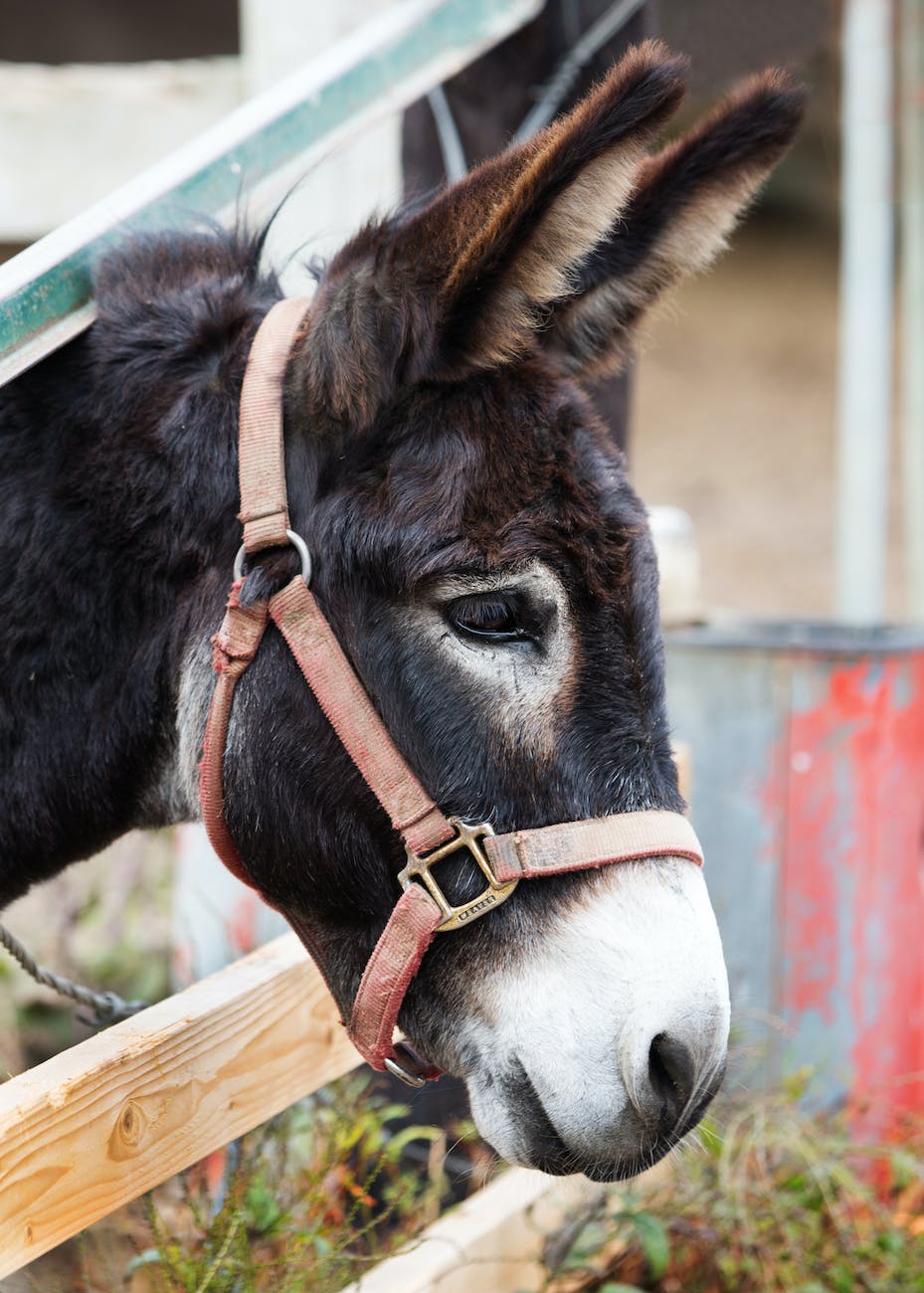
Exodus 22:9, provides “[i]f a man will give to his fellow a donkey or an ox or a sheep or any animal to safeguard, and it will die, or it will be mauled, or it will be seized, but there is no eyewitness, an oath of the Lord shall be between the two of them that he did not stretch forth his hand upon the property of the fellow; the owner shall accept it and she shall not pay.”
This provision is significant in that it integrates two commandments; “Using the Lord’s name in vain” and “not bearing false witness” are employed to address a commonplace happening. Sometimes, there are no witnesses to a tortious event Arguably, the person alleged to be at fault may have witnessed the event. They, however, do not wish to pay the damages and are inclined to lie to avoid payment. Thus, the oath’s imposition provides an assurance to the individual whose property was damaged that they are not being deceived. Impliedly, with a population fearful of the Lord, an individual would rather admit and pay damages than place themselves in a situation in which they would answer to a “higher” authority. Thus, the Master of the Universe, in these matters, arguably serves as a parties’ witness for the sake of administering justice and dispute resolution.
Be well!!!
Please like, follow, share and comment.
 The Ten Commandments Project