
The prohibition from “using the Lord’s name in vain” is the Decalogue Commandment featured in the Torah Portion Matot. Various Matot passages specifically address vows and oaths. Oaths and vows are not only prevalent throughout the Hebrew Bible but have also been consequential. Beyond theological concerns, oaths and vows are necessary for building societies. TheyContinue reading “Matot’s Ten Commandments’ Moment”
Tag Archives: name in vain
Pattern Recognition: Shelach’s Ten Commandments’ Moment

“… nor shall any state deprive any person of life, liberty, or property, without due process of law; nor deny to any person within its jurisdiction the equal protection of the laws.” U.S. Constitution, Fourteenth Amendment Pentateuch pattern recognition comes from avid Torah reading. The Torah Portion Shelach’s Sabbath violator tale’s similarity to the earlierContinue reading “Pattern Recognition: Shelach’s Ten Commandments’ Moment”
Emor: All Things Being Equal

Everybody must get stoned Bob Dylan “An eye for an eye” is perhaps the most misunderstood Torah passage. Its literal interpretation sparks controversy. Often, it is interpreted as endorsing a barbaric means of justice. Mahatma Gandhi- allegedly- savaged the Torah Portion Emor passage with the assertion: “an eye for an eye will make the wholeContinue reading “Emor: All Things Being Equal”
The Perfect Swear? Vayechi’s Haftarah Ten Commandments’ Moment

Torah Reading Services include a supplemental scriptural read called the Haftarah. This canonized Extra-Pentateuchal reading was selected as it bared some relationship to the particular weekly or holiday Torah Portion. By Extra-Pentaeuchal, it means that the reading comes from other parts of the Hebrew Bible- either Prophets or Writings. Preliminary Notes With this being thisContinue reading “The Perfect Swear? Vayechi’s Haftarah Ten Commandments’ Moment”
A Mikeitz’ Ten Commandments’ Moment: The Nature of Words

While Joseph’s narrative is packed full of drama, it also includes a multitude of meaningful moments of the Ten Commandments variety. One is an exchange between Joseph and his brothers in the Torah Portion Mikeitz. This particular interaction touches on the Swearing Commandment- “Thou Shalt Not Use the Lord’s name in vain.” Swearing, within theContinue reading “A Mikeitz’ Ten Commandments’ Moment: The Nature of Words”
The Sukkot’s Torah Portion: A Ten Commandments’ Moment

Here, they’re one people, and they all have one language, and this is what they have begun to do. And now nothing that they’ll scheme will be precluded from them Genesis 11:6 One of Humans’ greatest strengths is language. The Book of Genesis’ Tower of Babel tale recognizes this power. Genesis 11:6. In scripture, theContinue reading “The Sukkot’s Torah Portion: A Ten Commandments’ Moment”
Matot-Massei’s Ten Commandments’ Moment

Due to Judaism’s Lunar Calendar, the fifty-four Torah Portions get adjusted so all can be read annually. This year, to accomplish this, the Portions Matot and Massei are combined. Matot’s Ten Commandments’ moment involving vows and oaths is this Post’s topic. Vows Vows are essentially one’s word. What is the value of “one’s word”? ToContinue reading “Matot-Massei’s Ten Commandments’ Moment”
Balak’s Ten Commandments’ Moment

You shall not bring up the name of the Lord, your God, for a falsehood, because the Lord will not make one innocent who will bring up His name for a falsehood. Exodus 20:7 The Torah Portion Balak has this assertion: “Because I know that whoever you’ll bless will be blessed, and whoever you’ll curseContinue reading “Balak’s Ten Commandments’ Moment”
The Power of the Word- Matot’s Ten Commandments’ Moment
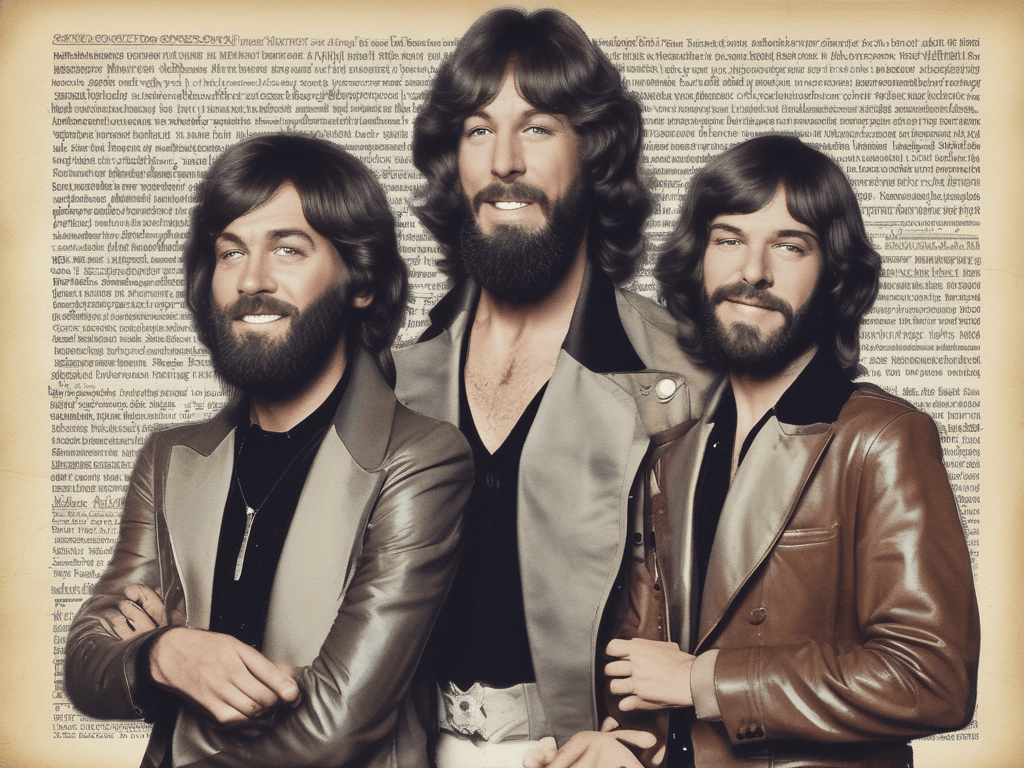
You think that I don’t even mean a single word I say, it’s only words and words are all I have Bee Gees Words are not equal. In the world of scripture, it is even possible to assert the word “equal” is not equal to itself! In antiquity, perhaps due to the combination literacy rate,Continue reading “The Power of the Word- Matot’s Ten Commandments’ Moment”
A Book of Kings Ten Commandments’ Moment: Vows To Make & Vows To Break

Post-Pentatuch, Scripture must be scrutinized over its treatment the Ten Commandments. This treatment should consider both the reported periods of biblical history as well the period of the text’s composition. In both periods, there was an understanding of Ten Commandments. During various periods of time, it should be appreciated that meanings and applications possibly varied.Continue reading “A Book of Kings Ten Commandments’ Moment: Vows To Make & Vows To Break”

