
And God saw everything that He made, and … it was very good. Genesis 1:31 Why is taking time off of work in the Torah so important? The Portion Vayakhel explains it in human terms. From Exodus version of the Ten Commandments, the Sabbath refrain from labor was tied to the world’s creation. The rationaleContinue reading “Sabbath Meaning? Vayakhel: A Ten Commandments’ Moment”
Category Archives: moses
The Tipping Point in Real Time: Va’era
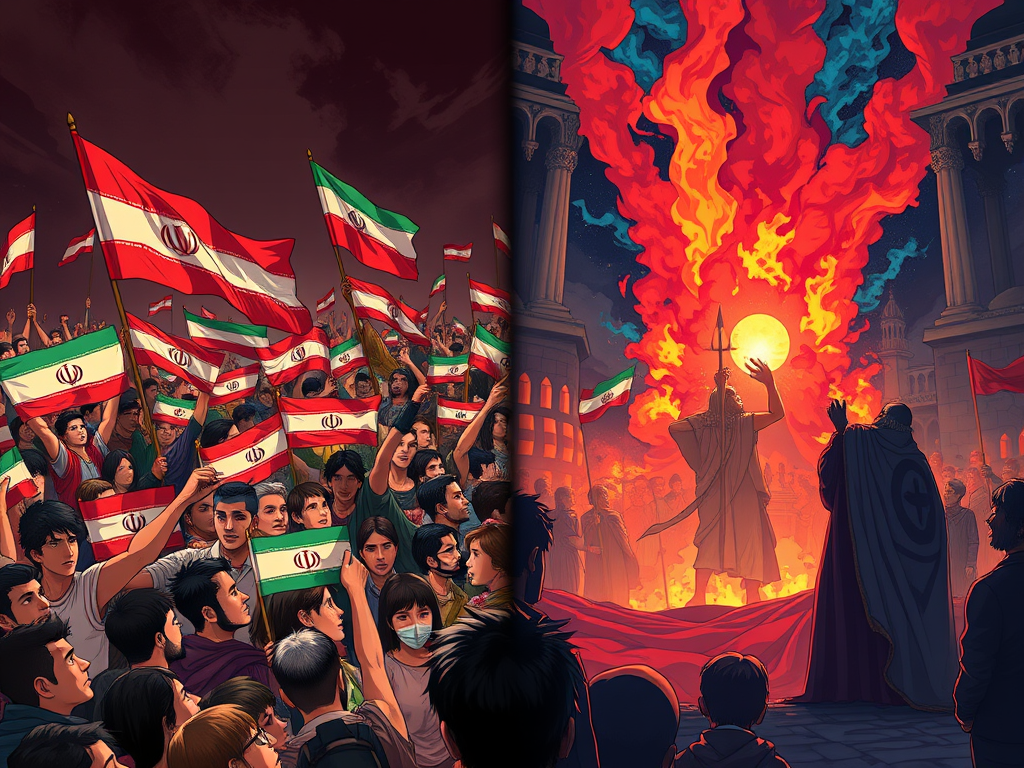
Posting on current events can often be futile. As many news items have limited shelf-life, a post’s utility evaporates rapidly. With the ongoing Iranian uprising, however, this is not the case. What is transpiring aptly connects into the political theories espoused by the Hebrew Bible. Specifically, the Torah Portion Va’era touches on an ongoing conflict;Continue reading “The Tipping Point in Real Time: Va’era”
Moses’ Three Chapters

You said you’d stand by me in the middle of Chapter Three Elvis Costello To fully appreciate Moses’ story and accomplishments, earlier scriptural themes must be considered. Long before his birth, during the time of the Patriarchs, biblical themes emerged. Three of these themes are embedded within the three chapters in Moses’ life- the Palace,Continue reading “Moses’ Three Chapters”
Vayeshev: Origins of Humility?

And the man Moses was very humble, more than every human who was on the face of the earth Numbers 12:3 How does one become humble? The Torah Portion Vayeshev provides an answer; it is a Master Class in humiliation. Humiliation. as Vayeshev indicates, is a humbling mechanism. The Hebrew Bible values an individual’s capacityContinue reading “Vayeshev: Origins of Humility?”
Ha’ Azinu’s Ten Commandments’ Moment: God

If God didn’t exist, he would have been invented Voltaire God is perhaps the Ten Commandments’ most controversial subject. Poetry from the Torah Portion Ha’Azinu provides Prophetic insight into the divine being. Moses’ depictions provide much understanding of the Israelite Deity. Moses’ lifetime observations takes readers to the heights of Mt. Sinai to unlock theContinue reading “Ha’ Azinu’s Ten Commandments’ Moment: God”
Are All Commandments Equal?: Va’etchanan

The Torah houses the Decalogue. Thus, within the Pentateuch’s 613 Commandments, the Ten Commandments is a subset. The Decalogue’s location gives rise to an Orwellian query: “Are some Commandments more equal than others?” According to the Torah Portion Va’etchanan, the answer is “yes”. The Ten Commandments are different from the others. Moses explain why inContinue reading “Are All Commandments Equal?: Va’etchanan”
Beyond The Ten Commandments: Devarim

A society cannot function on the Ten Commandments exclusively. This assertion should not be controversial. It was Moses, the Mt. Sinai Decalogue Deliverer, expressing this within in the Book of Deuteronomy. He confesses it within the Torah Portion Devarim. During the wilderness wandering, Moses grew to understand that leading a mixed multitude required more thanContinue reading “Beyond The Ten Commandments: Devarim”
Setting Things In Stone? Mishpatim
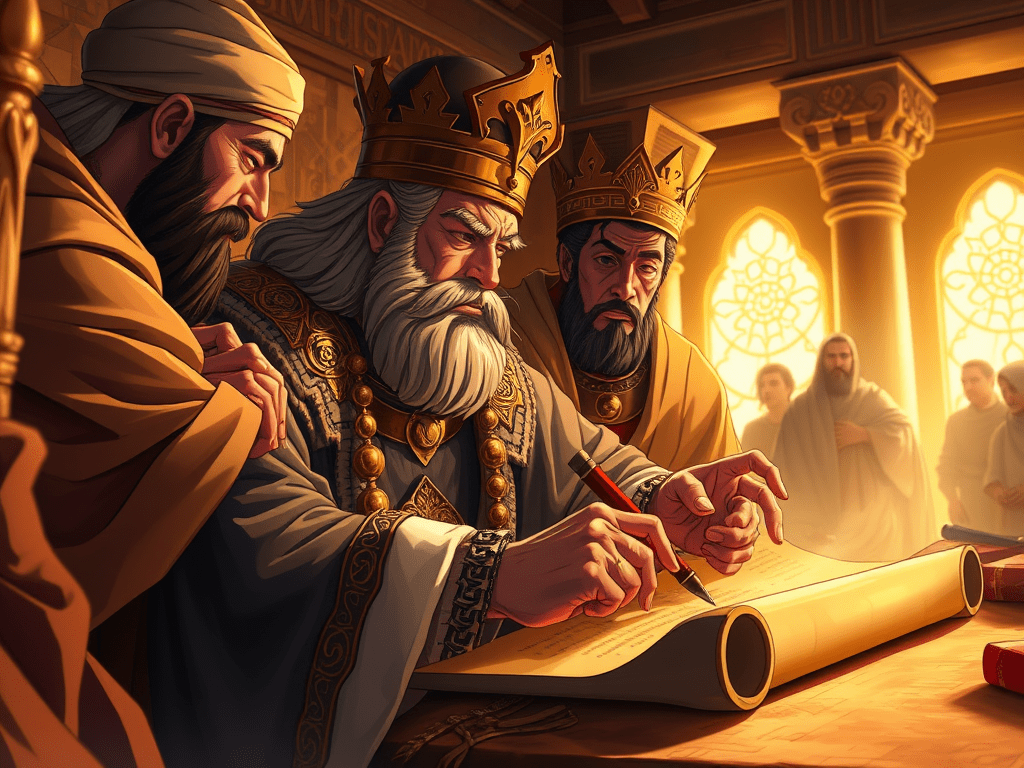
“And he took the scroll of the covenant and read in the people’s ears” Exodus 24:7 The Torah Portion Mishpatim illustrates the challenges of legal literacy. In antiquity, was it possible for a fledgling nation to disseminate the concepts of societal boundaries and affirmative duties upon its citizenry? If so, what methodology could be employedContinue reading “Setting Things In Stone? Mishpatim”
The Evolution of Swearing: Vayechi

And He said, “I’ll do according to your word.” And He said, “Swear to me” And he swore to him. Genesis 47:30 Everyone needs assurances. Promises often can be confounded by failing human memory, distraction, or a change of circumstances. Assurances, in scripture, were taken to the next level via oath or a swearing. TheContinue reading “The Evolution of Swearing: Vayechi”
Of Moses & Mangione

The UnitedHealthcare CEO’s assassination tale bares similarity to Moses’ murder of the Egyptian Taskmaster. Laying in wait was the modus operandi for both. In the Moses’ case, it was an unnamed Hebrew Slave’s rebuke of Moses that saved Western Civilization. Mr. Lugi Mangione is the alleged CEO assassin. His background has much in common withContinue reading “Of Moses & Mangione”
 The Ten Commandments Project