
And God saw everything that He made, and … it was very good. Genesis 1:31 Why is taking time off of work in the Torah so important? The Portion Vayakhel explains it in human terms. From Exodus version of the Ten Commandments, the Sabbath refrain from labor was tied to the world’s creation. The rationaleContinue reading “Sabbath Meaning? Vayakhel: A Ten Commandments’ Moment”
Category Archives: ten commandments
A Valued Added Read: Ki Tisa

Western Civilization struggles with matters of wealth disparity and individual self-worth. The Torah Portion Ki Tisa tackled both topics in the most unusual of ways; a construction and maintenance project- the Tabernacle. In this instance, a Torah Commandment, rather than a pronouncement, shaped public opinion. Ki Tisa In Ki Tisa, specific individuals were mandated toContinue reading “A Valued Added Read: Ki Tisa”
To Err Is Divine: The Tetzaveh Haftarah

When it’s time to change, you’ve got to rearrange The Brady Bunch Mistakes happen. How do they happen? And when they do, what are the dynamics of change? This Post analyzes these questions in the context of a divine mistake. A massive error threatening the Israelite’s newly enacted political reconfiguration. This miscue required change atContinue reading “To Err Is Divine: The Tetzaveh Haftarah”
In Search of The Ten Commandments

Is it possible that an English translation transformed the Ten Commandments? The answer to these questions suggests that a not so accurate translation significantly impacted theology and contemporary beliefs. To understand how this happened, the initial inquiry is the Hebrew Bible. Before doing so, an understanding of how the Hebrew phrase for the Ten CommandmentsContinue reading “In Search of The Ten Commandments”
The Answer: Mishpatim’s Ten Commandments’ Moment

Why are no punishments listed within the Ten Commandments? This often asked Decalogue question is partially answered in the Torah Portion Mishpatim. The answer is two-pronged, one part is complex while the other is simple. The complex part of the answer pertains to the concept of Community vs. Individual Code of Conduct. Since the DecalogueContinue reading “The Answer: Mishpatim’s Ten Commandments’ Moment”
The Off-the-Books Law
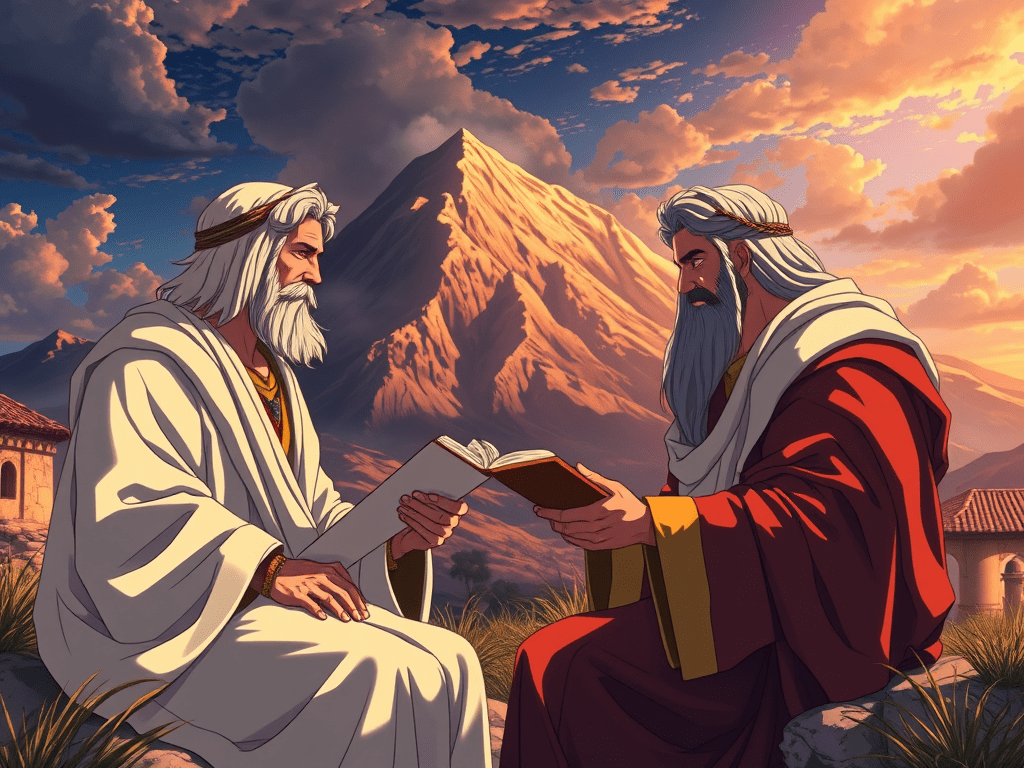
Is it possible to have both a Written and an Oral Law? The answer is yes! While the concept is enigmatic, from a legal standpoint, it makes complete sense. The events in the Torah Portion Yitro reveal that an Israelite legal system existed prior to the Ten Commandments. Beyond that, a body of Oral LawContinue reading “The Off-the-Books Law”
The Book of Lamentations’ Ten Commandments Moment

Sometimes, it’s over. A nation is crushed. With that, people must query: “is there is anything left?” With the populace in despair, other questions arise: “How did it come to this?”; “What is to become of us?”; and “Who are we?” These questions weight heavy on a nation eternally covenanted-by Decalogue- to a Deity. Writings,Continue reading “The Book of Lamentations’ Ten Commandments Moment”
The Name: Psalm 113’s Ten Commandments’ Moment

I’ve Got a Name, I’ve Got a Name Jim Croce The Tetragrammaton- God’s four letter name- plays a central role in the Ten Commandments. In the Hebrew letters, it is spelled “yud, hay, vav, hay.” For this discussion’s purposes, The Name or the Lord refers to the Tetragrammaton. In Jewish Orthodox scriptural publications, the wordContinue reading “The Name: Psalm 113’s Ten Commandments’ Moment”
The Perfect Swear? Vayechi’s Haftarah Ten Commandments’ Moment

Torah Reading Services include a supplemental scriptural read called the Haftarah. This canonized Extra-Pentateuchal reading was selected as it bared some relationship to the particular weekly or holiday Torah Portion. By Extra-Pentaeuchal, it means that the reading comes from other parts of the Hebrew Bible- either Prophets or Writings. Preliminary Notes With this being thisContinue reading “The Perfect Swear? Vayechi’s Haftarah Ten Commandments’ Moment”
 The Ten Commandments Project