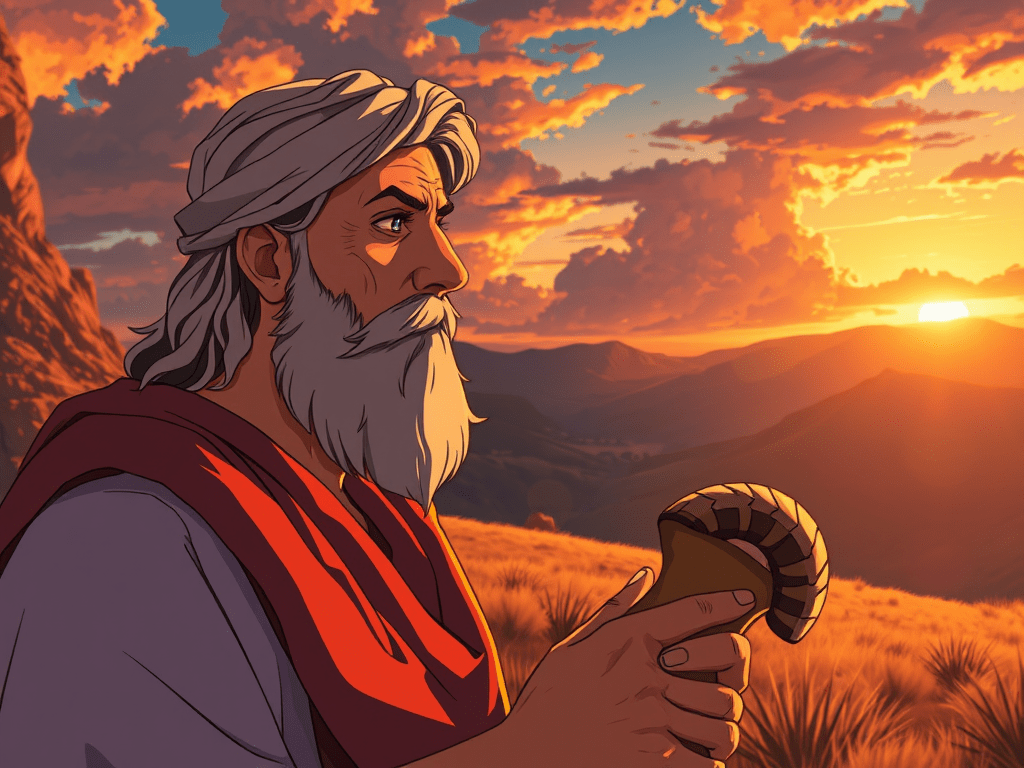
Get up. Carry the boy and hold him in your hand, because I shall make him a big nation. Genesis 21: 23 The Rosh Hashonah Torah Portion tackles both matters of faith and covenant. Abraham, in the portion, is embroiled in a familial crisis. He must deal with competing maternal interests. Sarah, his wife, isContinue reading “The Rosh Hashonah Torah Portion’s Ten Commandments’ Moment”
Tag Archives: bible
Nitzavim: Of Rabbit Holes & Rashi: A Ten Commandments’ Moment

The Torah Portion Nitzavim starts with a beautiful passage advancing the Ten Commandments’ collective nature. This post explores whether the collective theme’s passage contains a hidden message. The Nitzavim passage is as follows: “You’re standing today, all of you, in front of the Lord, your God- your heads, your tribes, your elders, and your officers,Continue reading “Nitzavim: Of Rabbit Holes & Rashi: A Ten Commandments’ Moment”
The Chosen People? Ki Tavo’s Ten Commandments’ Moment

“The Lord said to Samuel, “Listen to the voice of the people in all that they say to you, for it is not you whom they have rejected, but it is Me whom they have rejected from reigning over them….. So are they doing to you, as well. And now, heed their voice, but beContinue reading “The Chosen People? Ki Tavo’s Ten Commandments’ Moment”
Shoftim: A Ten Commandments’ Modification?

“Appoint a man over the congregation who will go out in front of them and who will come in in front of them and who will bring them out and who will bring them in, so the Lord’s congregation won’t be a sheep that don’t have a shepherd.” Numbers 27:16-17 The Torah Portion Shoftim illustratesContinue reading “Shoftim: A Ten Commandments’ Modification?”
Re’eh’s Ten Commandments’ Moment: Of Monotheism and Monolatry

The Torah Portion Re-eh presents as a rare opportunity to address the top parts of the Ten Commandments. Shortly after this event, the Children of Israel’s covenant with their Israelite God will take a new dimension. They will become a nation. Tied to being this conceived nation is fidelity towards their God. This post exploresContinue reading “Re’eh’s Ten Commandments’ Moment: Of Monotheism and Monolatry”
Lasting Impressions: Eikev

All that is gold does not glitter JRR Tolkien Years ago, a good friend invited me to a Hollywood Bowl concert. His box seats were close to the orchestra pit. Before Bowl peformances, it customary for box holders to picnicofteny bring out their fancy baskets and indulge in every imaginable delicacy and imbibe with fineContinue reading “Lasting Impressions: Eikev”
Are All Commandments Equal?: Va’etchanan

The Torah houses the Decalogue. Thus, within the Pentateuch’s 613 Commandments, the Ten Commandments is a subset. The Decalogue’s location gives rise to an Orwellian query: “Are some Commandments more equal than others?” According to the Torah Portion Va’etchanan, the answer is “yes”. The Ten Commandments are different from the others. Moses explain why inContinue reading “Are All Commandments Equal?: Va’etchanan”
Beyond The Ten Commandments: Devarim

A society cannot function on the Ten Commandments exclusively. This assertion should not be controversial. It was Moses, the Mt. Sinai Decalogue Deliverer, expressing this within in the Book of Deuteronomy. He confesses it within the Torah Portion Devarim. During the wilderness wandering, Moses grew to understand that leading a mixed multitude required more thanContinue reading “Beyond The Ten Commandments: Devarim”
The Genesis of Problem Solving Part II

Spectacular problem solving led to the JPL’s Mars Rovers’ success. The Mission Designers and Planners exceeded expectations by considering every single contingency imaginable. As a result, some of these Red Planet space exploration devices continued providing data long past their anticipated expiration dates. The JPL staff truly deserved an award for outstanding achievement in theContinue reading “The Genesis of Problem Solving Part II”
Matot-Massei’s Ten Commandments’ Moment

Due to Judaism’s Lunar Calendar, the fifty-four Torah Portions get adjusted so all can be read annually. This year, to accomplish this, the Portions Matot and Massei are combined. Matot’s Ten Commandments’ moment involving vows and oaths is this Post’s topic. Vows Vows are essentially one’s word. What is the value of “one’s word”? ToContinue reading “Matot-Massei’s Ten Commandments’ Moment”
 The Ten Commandments Project