
Make it make sense? The Torah Portion Noah’s Post-Flood Covenant should have solved all of the world’s problems. Correct? After all, the God-Human covenant assured that a world would not be subjected to another deity inflicted devastation. It was also sealed with a rainbow! Only a double rainbow could have made it better!! Genesis 8:21-22.Continue reading “The Question: “Why?” Lech Lecha’s Ten Commandments’ Moment”
Tag Archives: god
Of Covenants, Noah’s Ten Commandments’ Moment

All creative work is derivative Nina Paley What is new may in fact be old. Painting with a different color scheme; playing music in a faster tempo; or re-purposing medications for a different disease. Incremental innovations can constitute newness. Slight changes may be just as impactful as radical innovation. The latter may, in fact, beContinue reading “Of Covenants, Noah’s Ten Commandments’ Moment”
A Legend Preserving a Legacy? V’Zot HaBerachah: A Ten Commandments’ Moment

Barred entry into the Promised Land, Moses is buried on a mountaintop. The end? The end, for the Torah Portion V’Zot HaBerachah, actually marks the beginning. In their infancy, legacies are fragile. Upon one’s death, their legacy becomes detached from the person. They no longer are able to control what they once controlled. The seedContinue reading “A Legend Preserving a Legacy? V’Zot HaBerachah: A Ten Commandments’ Moment”
The Sukkot’s Torah Portion: A Ten Commandments’ Moment

Here, they’re one people, and they all have one language, and this is what they have begun to do. And now nothing that they’ll scheme will be precluded from them Genesis 11:6 One of Humans’ greatest strengths is language. The Book of Genesis’ Tower of Babel tale recognizes this power. Genesis 11:6. In scripture, theContinue reading “The Sukkot’s Torah Portion: A Ten Commandments’ Moment”
Ha’ Azinu’s Ten Commandments’ Moment: God

If God didn’t exist, he would have been invented Voltaire God is perhaps the Ten Commandments’ most controversial subject. Poetry from the Torah Portion Ha’Azinu provides Prophetic insight into the divine being. Moses’ depictions provide much understanding of the Israelite Deity. Moses’ lifetime observations takes readers to the heights of Mt. Sinai to unlock theContinue reading “Ha’ Azinu’s Ten Commandments’ Moment: God”
Hitting the Goat Lottery? Yom Kippur’s Torah Portion

Can two goats and three High Holiday Torah Portions unlock atonement’s mechanics? In this instance, a Three-of-a-Kind meeting a Two Goat Lottery sheds light. Some of the Hebrew Bible’s most troubling of tales unlocks an atonement tool. Atonement The Hebrew Bible’s focus on truth, justice and righteousness fails to completely address Atonement. Atonement is arguablyContinue reading “Hitting the Goat Lottery? Yom Kippur’s Torah Portion”
Peak Justice or Cognitive Disaster? Vayelech
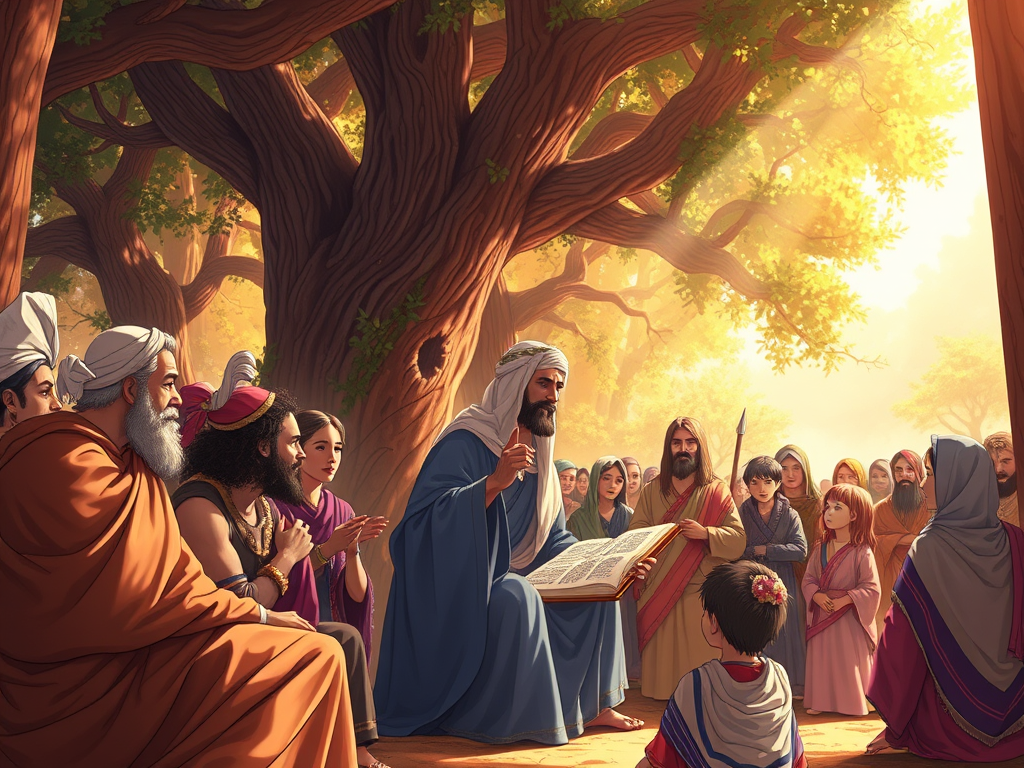
Ignorance of the law is no excuse While a Torah Portion Vayelech Commandment is symbolically magnificent, in modernity it presents as a pedagogical disaster. The utopian directive, on paper, delivers knowledge of the law to the entire populace. From a cognitive science perspective, however, the commandment is a failure. Can this problematic teaching methodology explainContinue reading “Peak Justice or Cognitive Disaster? Vayelech”
The Rosh Hashonah Torah Portion’s Ten Commandments’ Moment

Get up. Carry the boy and hold him in your hand, because I shall make him a big nation. Genesis 21: 23 The Rosh Hashonah Torah Portion tackles both matters of faith and covenant. Abraham, in the portion, is embroiled in a familial crisis. He must deal with competing maternal interests. Sarah, his wife, isContinue reading “The Rosh Hashonah Torah Portion’s Ten Commandments’ Moment”
Nitzavim: Of Rabbit Holes & Rashi: A Ten Commandments’ Moment

The Torah Portion Nitzavim starts with a beautiful passage advancing the Ten Commandments’ collective nature. This post explores whether the collective theme’s passage contains a hidden message. The Nitzavim passage is as follows: “You’re standing today, all of you, in front of the Lord, your God- your heads, your tribes, your elders, and your officers,Continue reading “Nitzavim: Of Rabbit Holes & Rashi: A Ten Commandments’ Moment”
The Rational Versus Rationalism

Most humans’ actions internally are one hundred percent rational. Their thoughts justify their conduct. Biologically, it makes sense that actions, beyond reflex, is performed based upon logic. Thus, even egregious behaviors are rational. This rationality, however, is accomplished through misinterpretation, re-definition, hallucination or simply ignorance. In other words, people thoughts are internally logical. As aContinue reading “The Rational Versus Rationalism”
 The Ten Commandments Project